Thirty Years, One Family, No Detour Into Trend
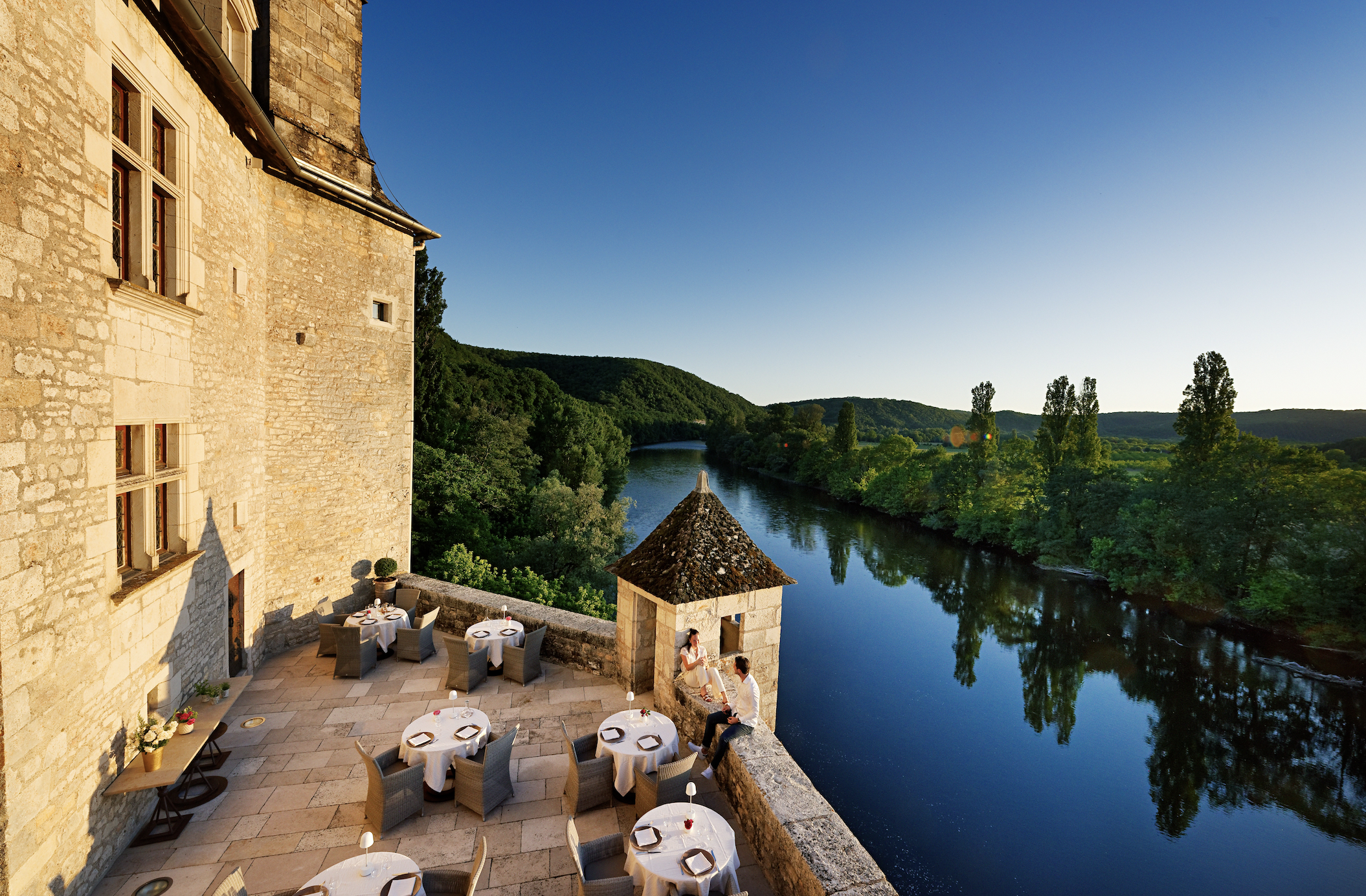
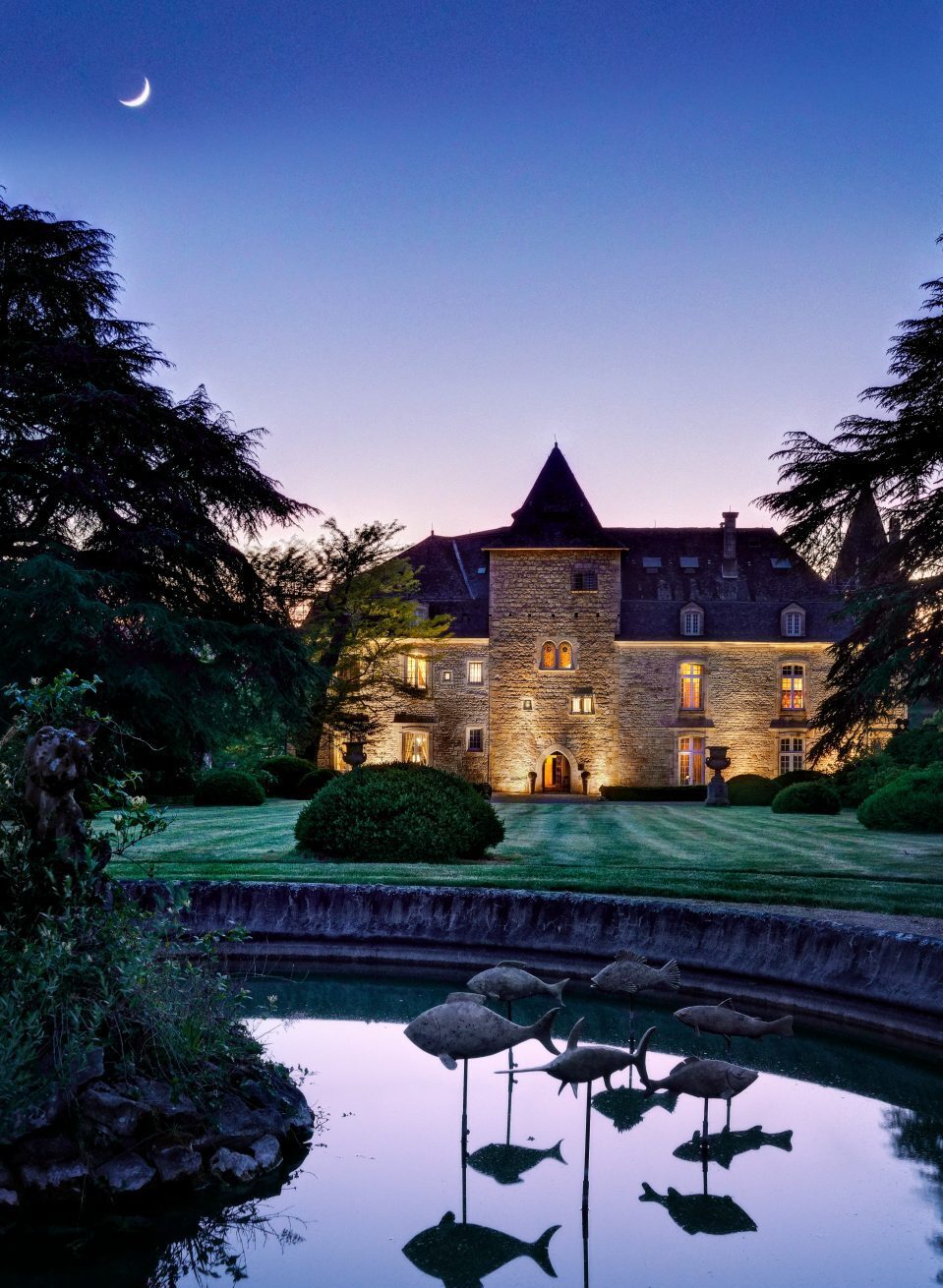
Château de la Treyne has belonged to the Gombert family for over three decades, and to the Relais & Châteaux collection since 1992 — a rare kind of continuity in an industry where ownership and concepts change every few years. The castle itself dates to 1342, was substantially remodeled in the 17th century, and got its formal gardens and landscaped park in 1910, when a Parisian industrialist named Auguste-Gabriel Savard fell hard enough for the property to redesign the grounds himself. Nothing about the place reads as recently reinvented. It reads as inherited, cared for, and left mostly alone.
© Château de la Treyne
Why the Dordogne, Not Another Weekend in Paris
Forty thousand years of human history survive within an hour of this castle, painted onto the walls of Lascaux, one of the most significant prehistoric sites on Earth. Paris has extraordinary museums, but nothing in the capital predates the pyramids by tens of thousands of years, or was carved directly into a riverside cliff before postal roads even existed. The Dordogne offers something Paris structurally cannot: geological time and prehistoric human presence layered directly into the landscape you’re standing in, rather than behind museum glass.
Why This Castle, Not Another in "The Land of a Thousand Châteaux"
The Dordogne Valley is famously dense with castles — locals call it the land of a thousand of them, and plenty offer a river view and a canopy bed. What sets La Treyne apart is a Michelin-starred chef who has stayed put: Stéphane Andrieux, a Périgord native, has run this exact kitchen since 1998, earning his star in 2001 and never chasing a bigger name elsewhere. Twenty-five years of one chef refining one region’s ingredients — foie gras, Quercy lamb, black truffle — is a rare kind of consistency in fine dining, and it shows in a menu built on mastery rather than reinvention.
© Château de la Treyne
What You're Actually Walking Into
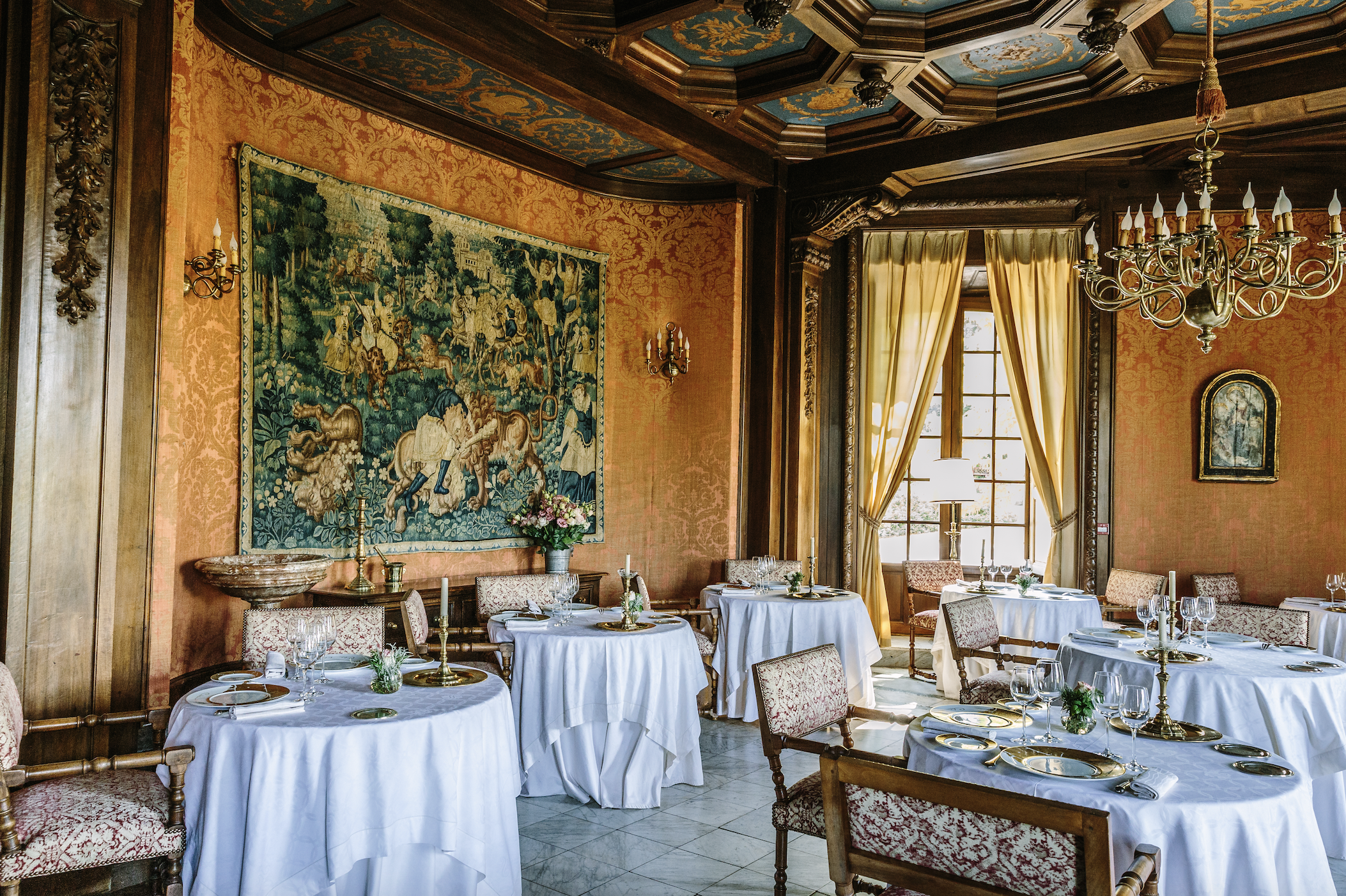
Seventeen rooms and suites, each individually decorated, look out over the Dordogne from a building whose stone walls have absorbed six centuries of river light. Dinner happens either in the candlelit Grand Salon Louis XIII, beneath an original period fireplace, or on a terrace suspended directly above the water in warmer months. Beyond the restaurant, the grounds hold a heated pool, tennis court, a private Romanesque chapel available for small ceremonies, canoes and kayaks for exploring the river itself, and a helipad for guests arriving in a hurry — alongside hot air balloon flights for guests in no hurry at all.
Who This Is Really For
This is the France for people who want a castle that has never once tried to modernize itself into something else — thirty years of one family’s quiet stewardship, a chef who found his region and simply stayed, and a cliffside setting far older than any hotel trend currently in fashion. If you want a boutique property reinvented every few seasons to chase what’s new, the Dordogne has newer options nearby. If you want the version that’s been getting quietly, consistently better since 1988 under the same steady hand, this is the one.
Ready to plan your stay?
Prices and availability change seasonally — always confirm current rates directly through the links above.