A Luxury Escape on the Dronne That Feels Like a Living Village
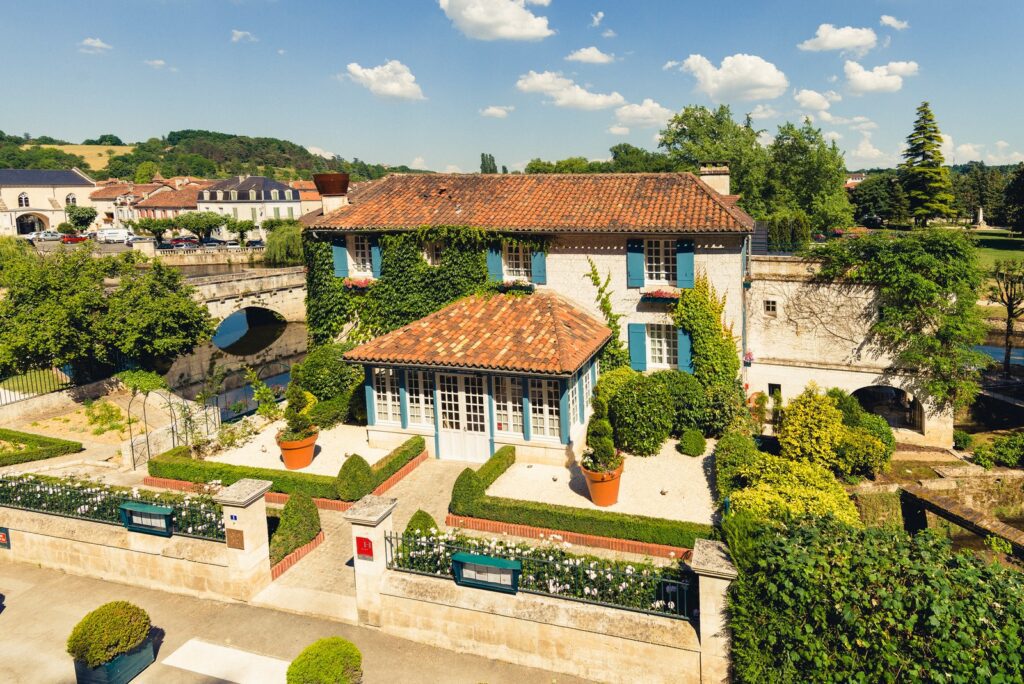
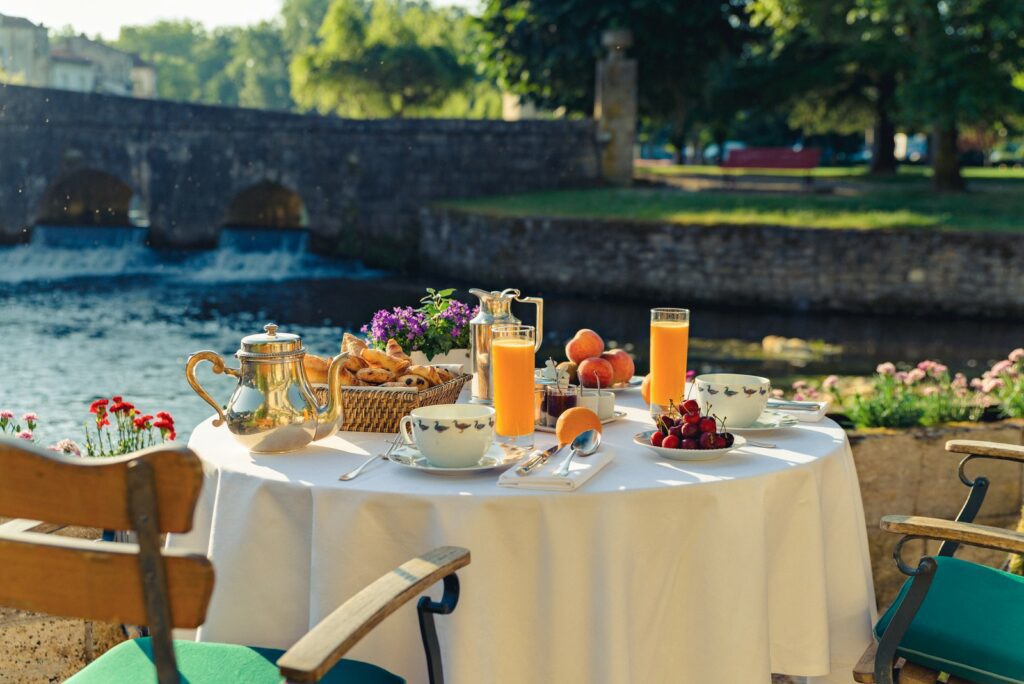
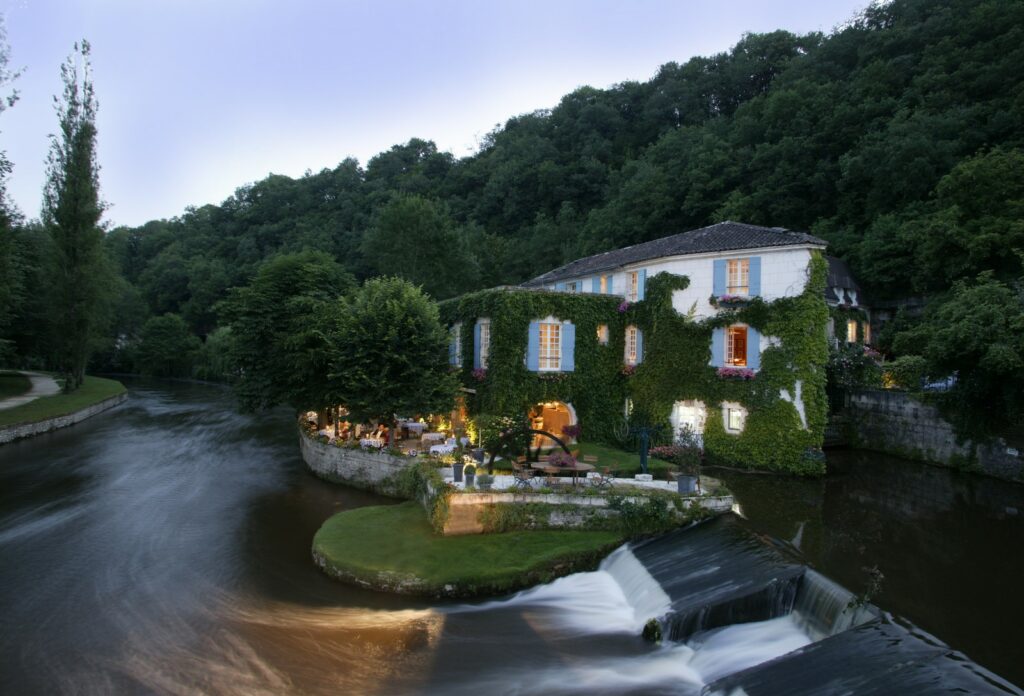
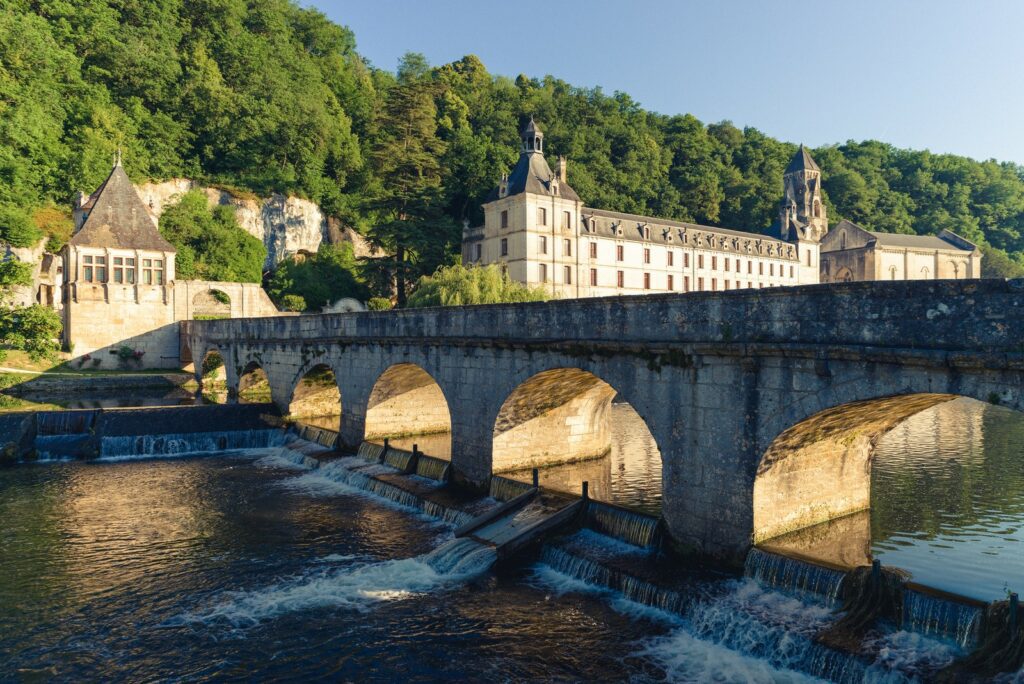
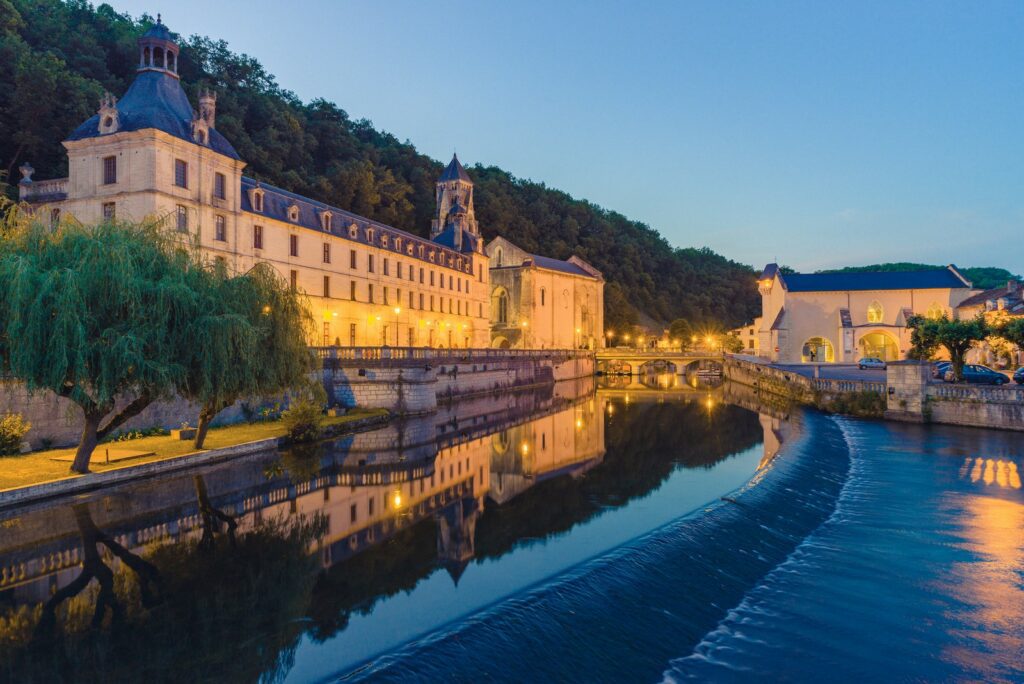
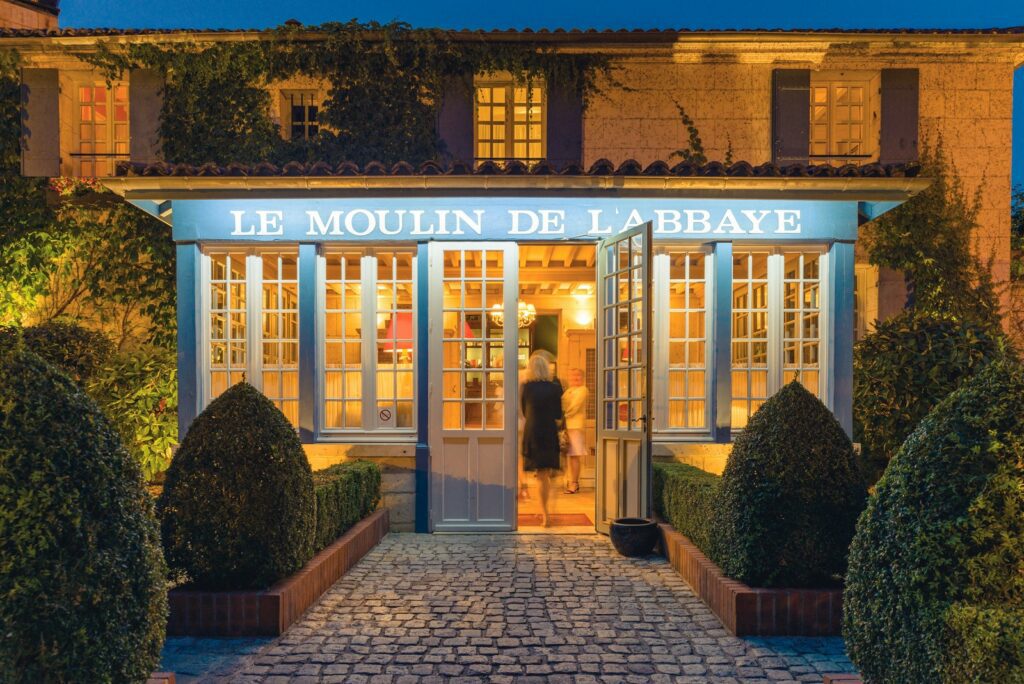
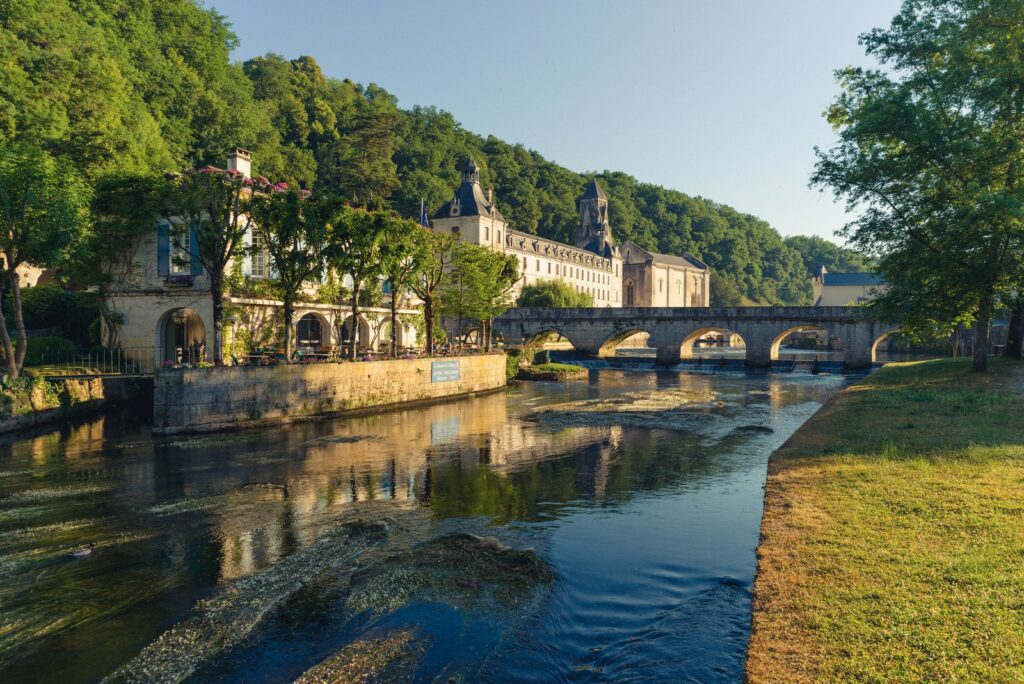
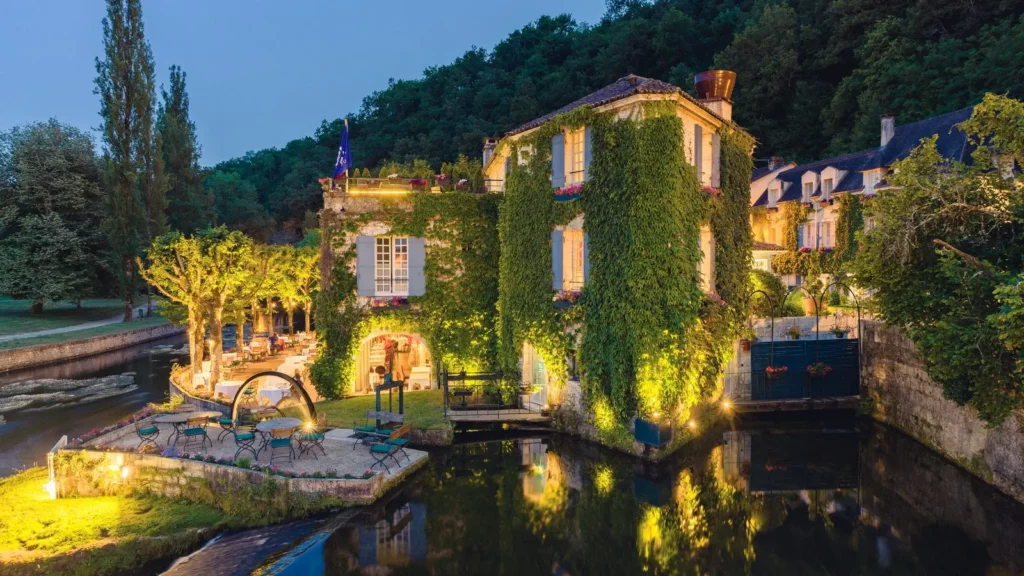
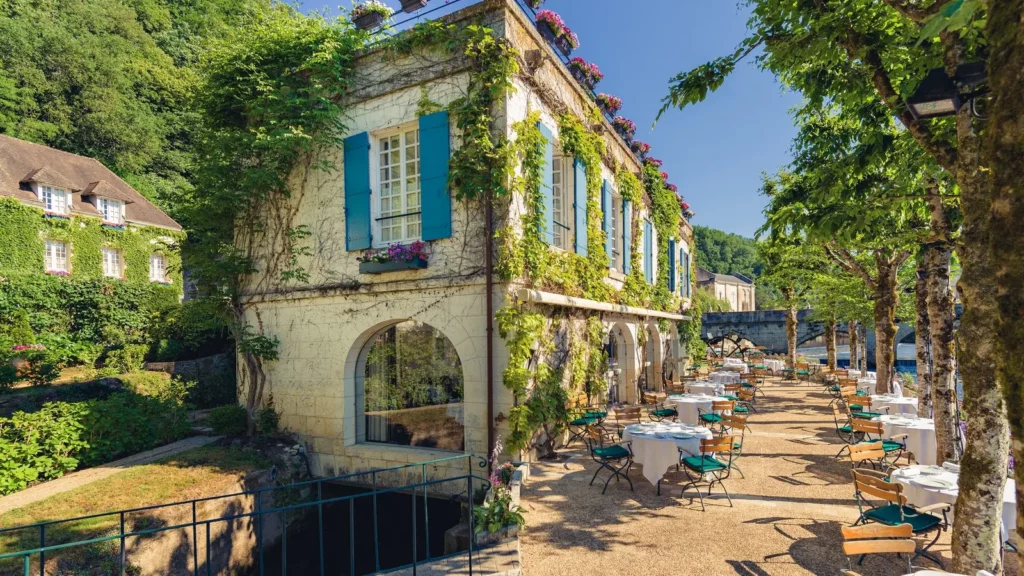
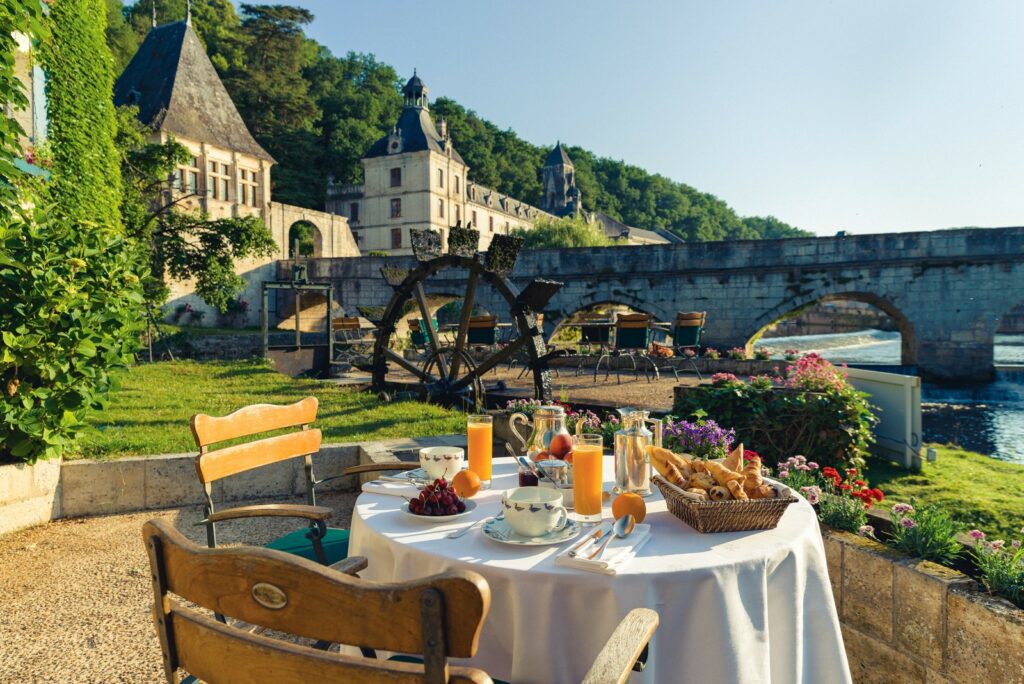
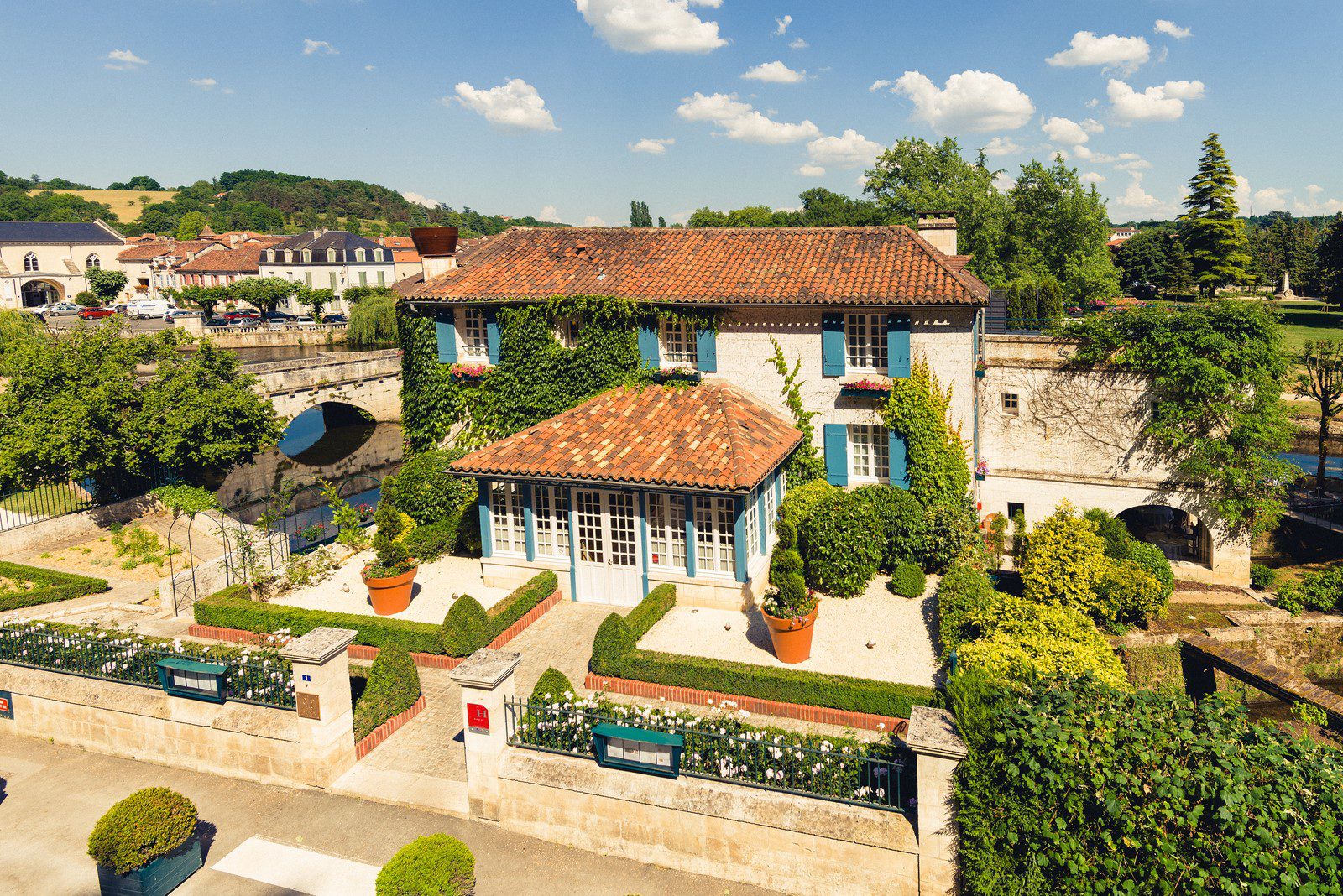
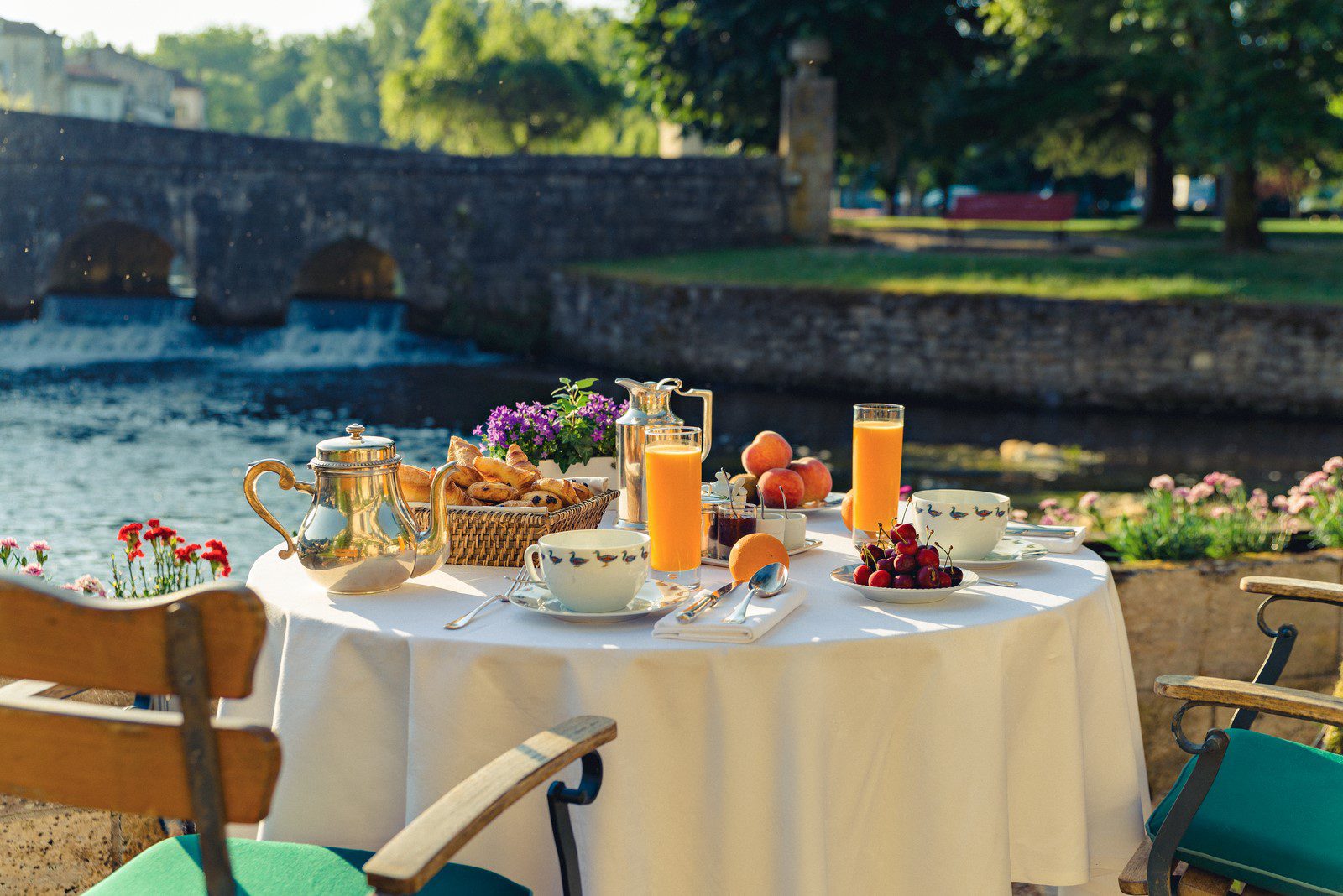
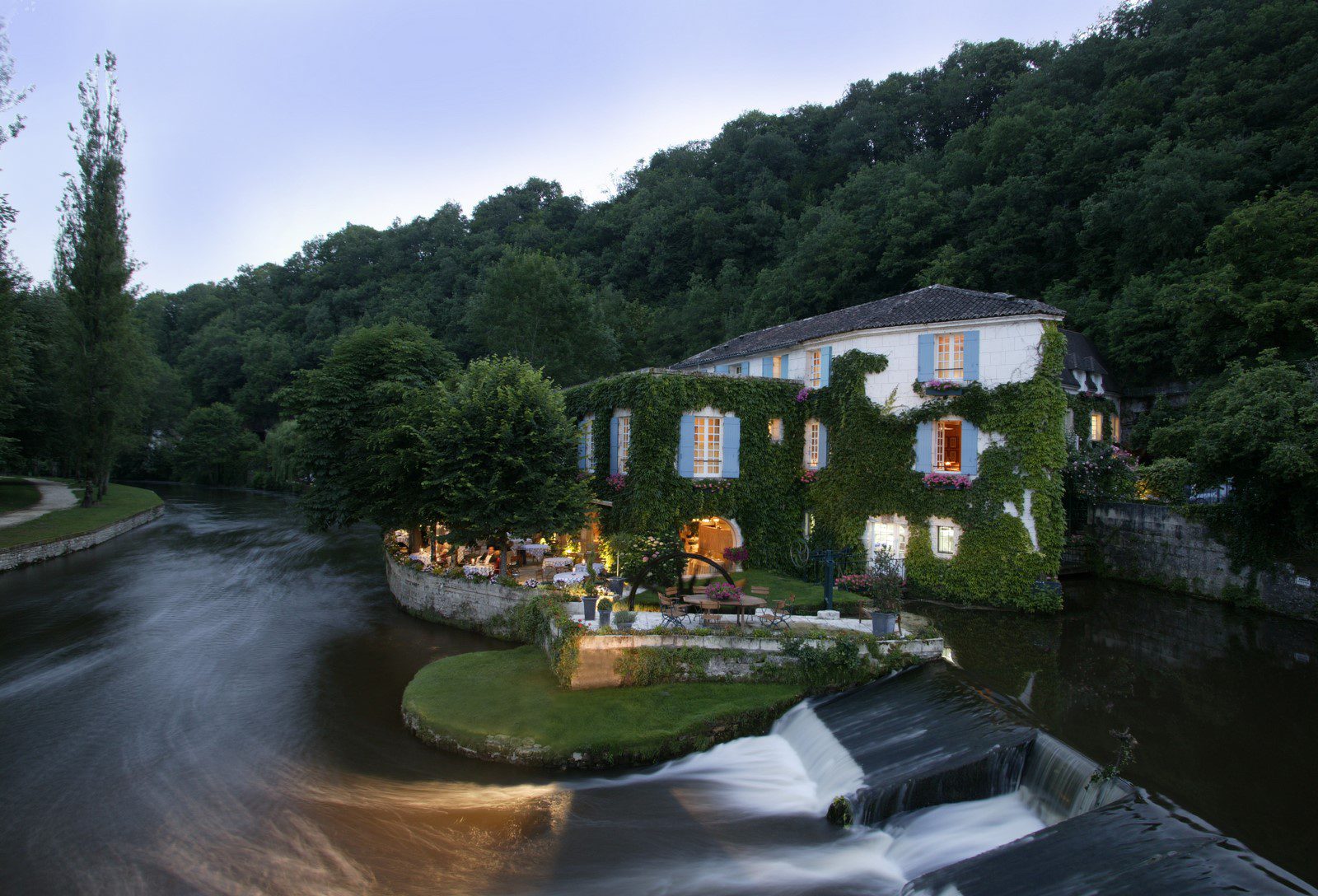
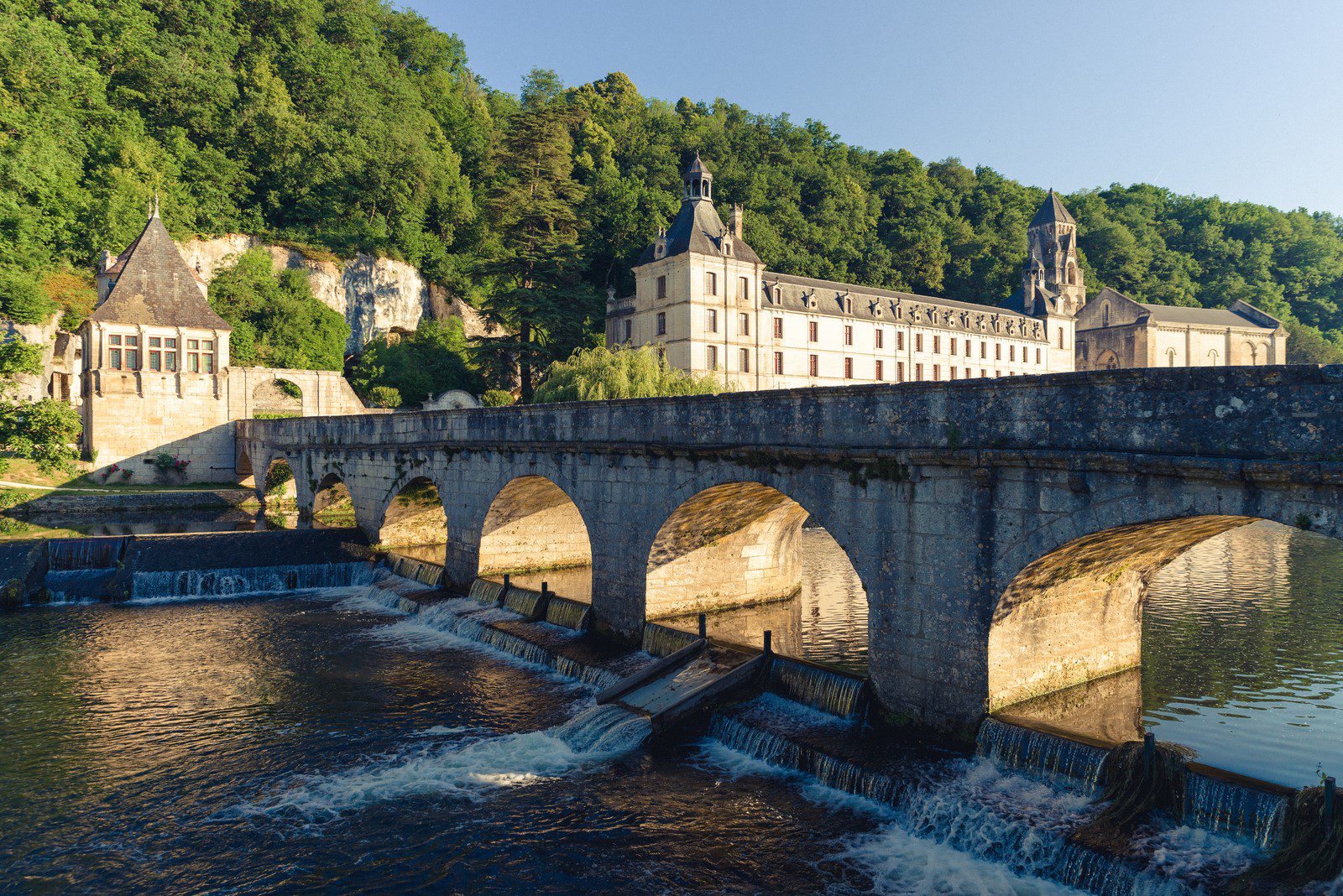
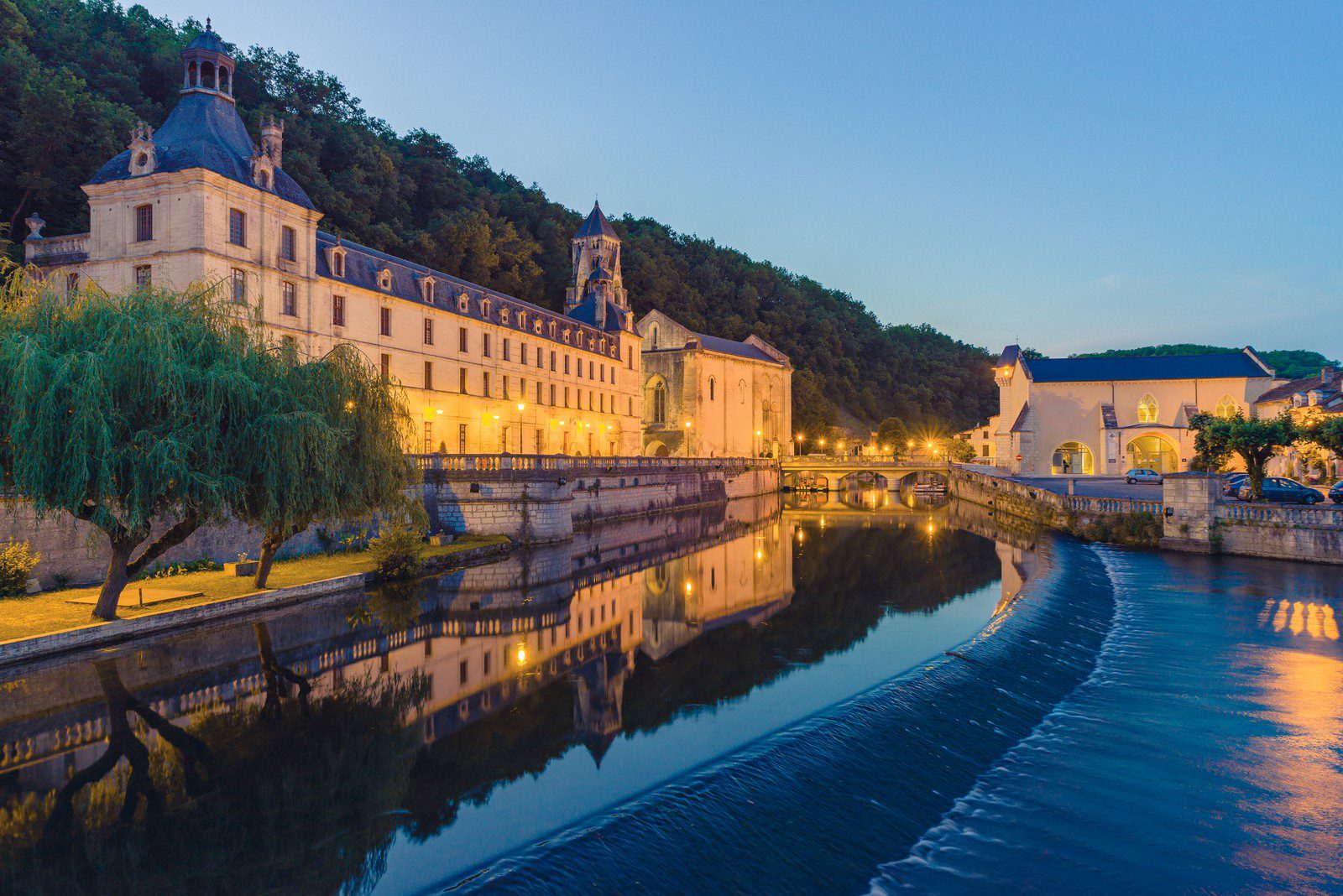
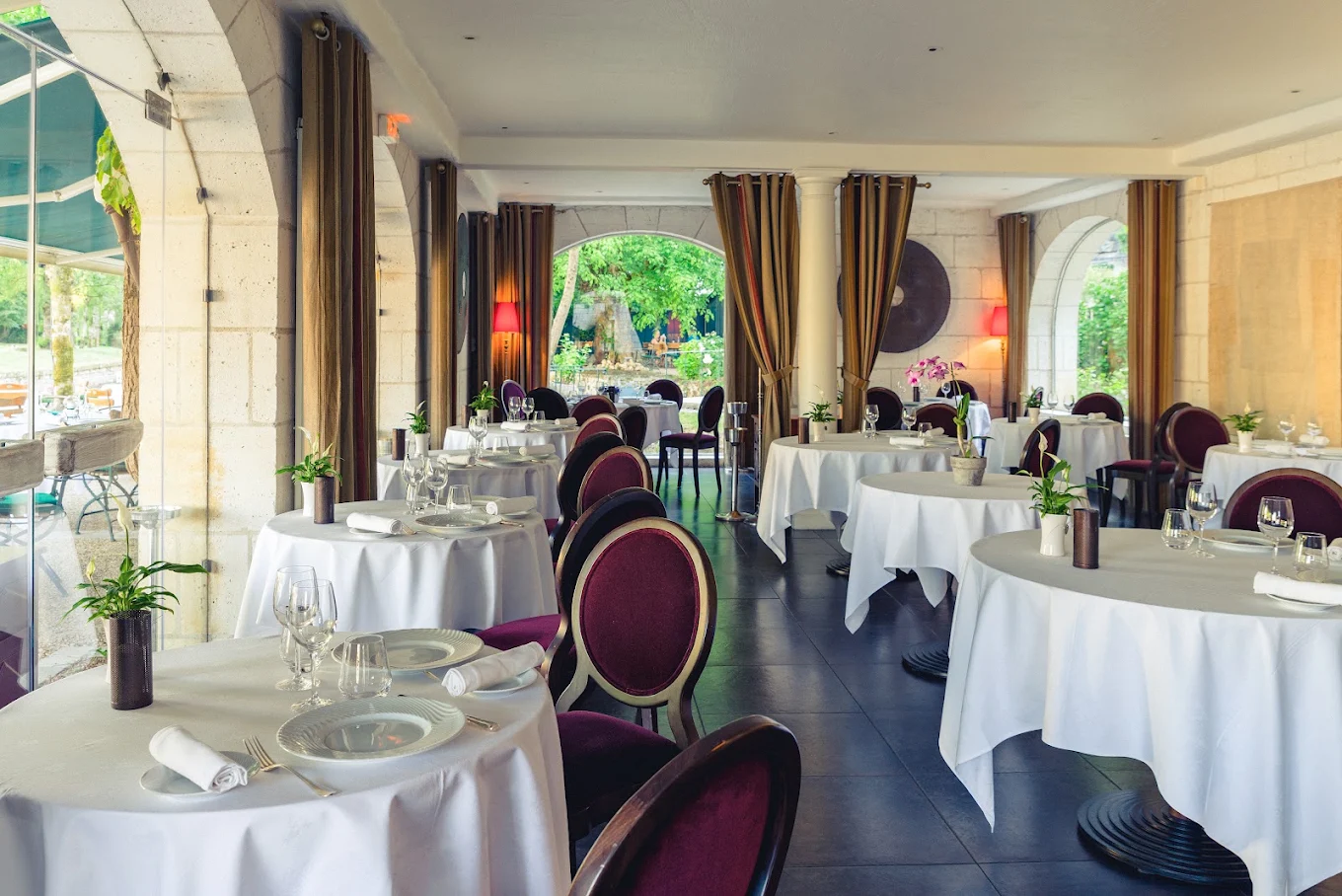
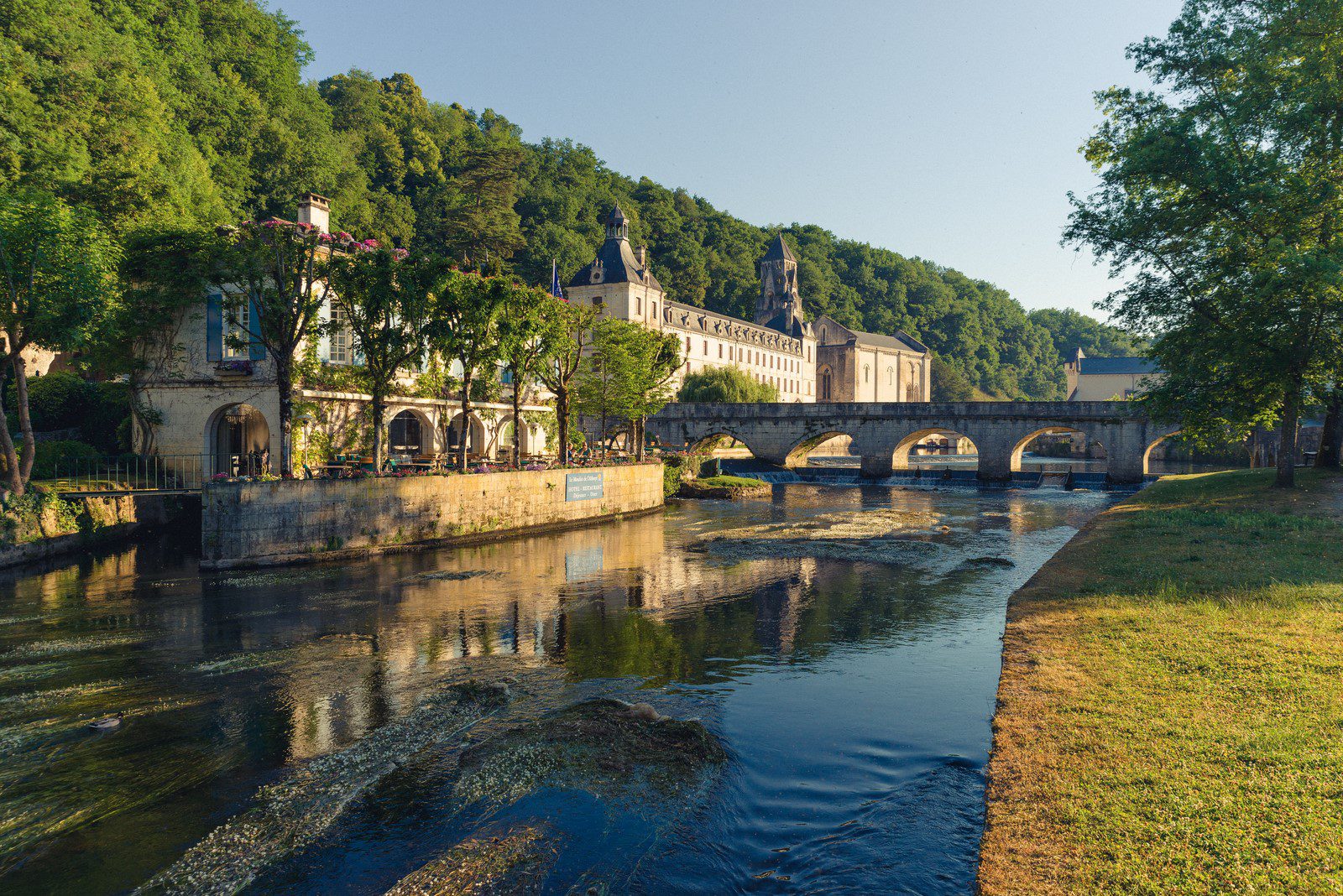
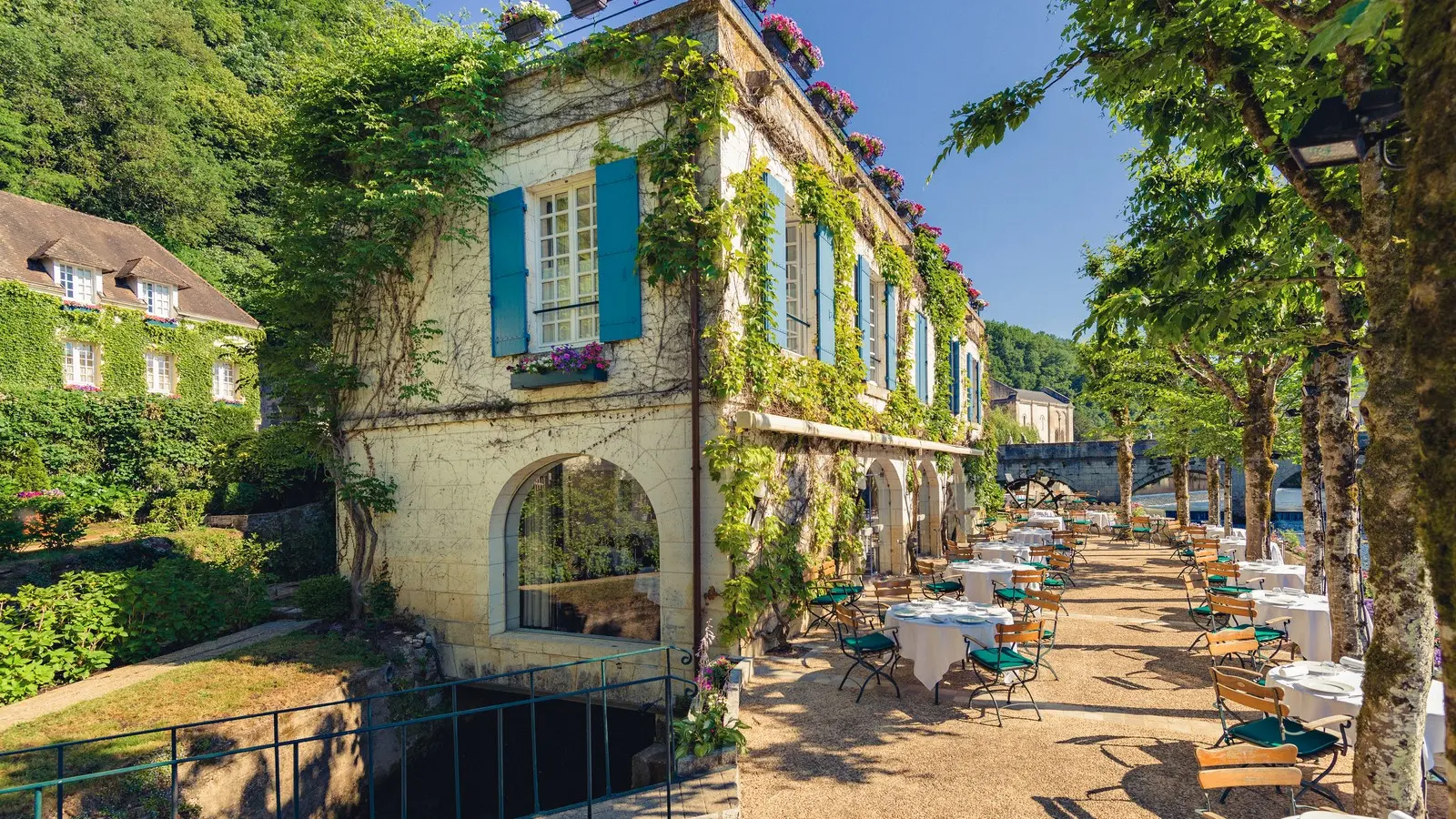
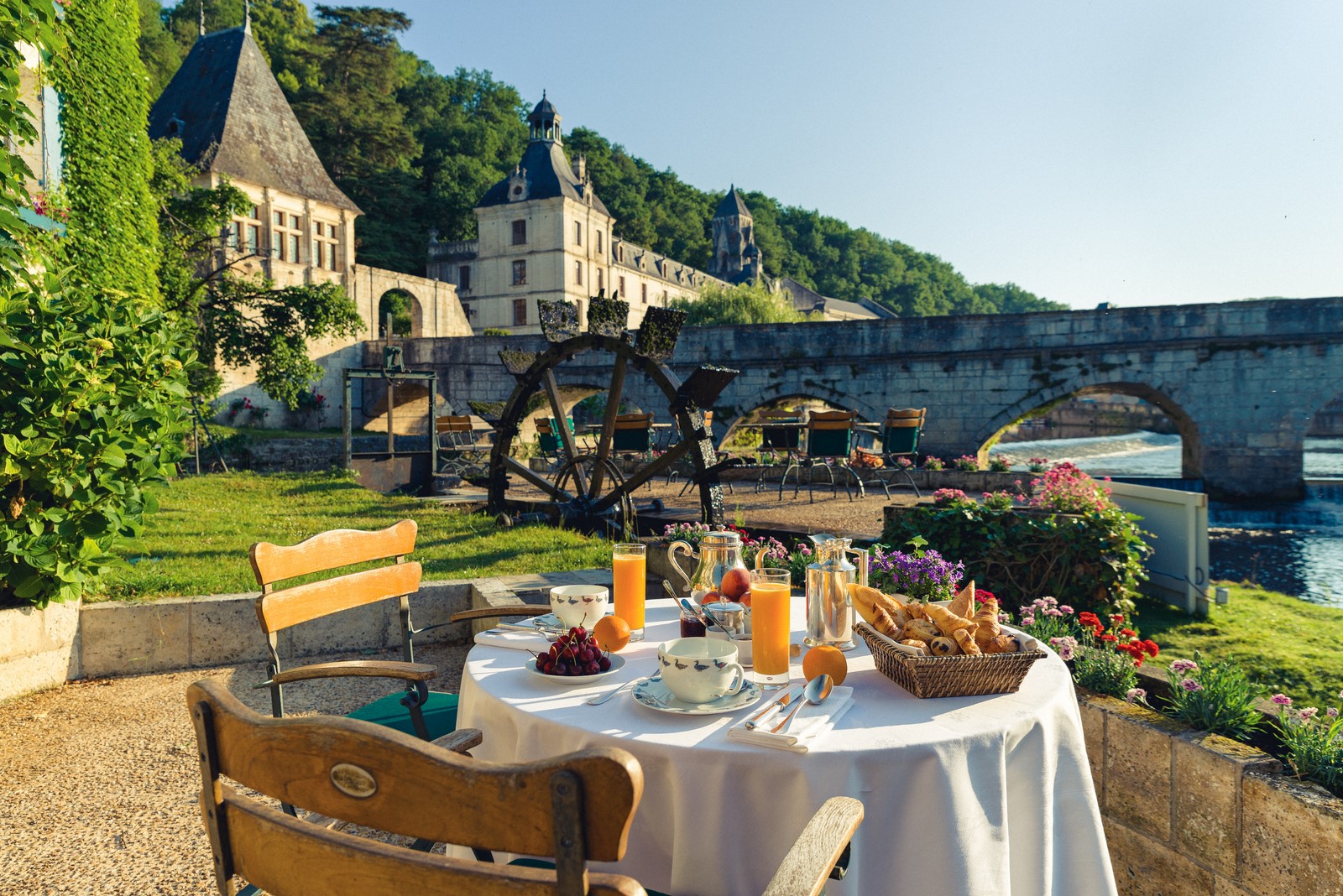
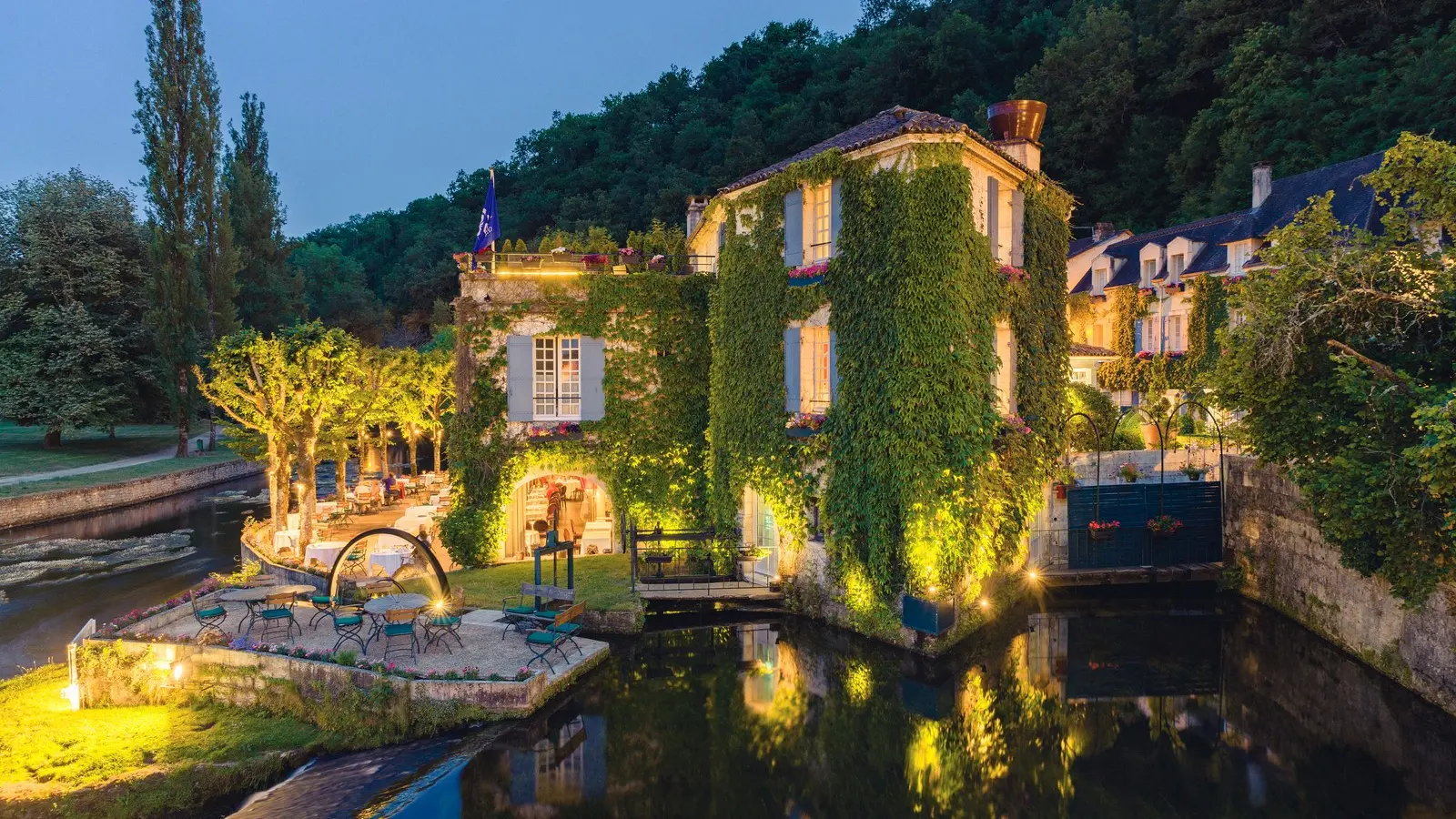
The Dronne bends directly beneath a 16th-century angled bridge here, and the hotel’s terrace sits close enough to the water to catch the current’s sound through dinner. Brantôme’s Friday market, its Renaissance bridge, and the abbey itself are all a short walk away — this is a village you step into, not a private domain you retreat from.
Why This Is One of the Dordogne's Most Remarkable Retreats
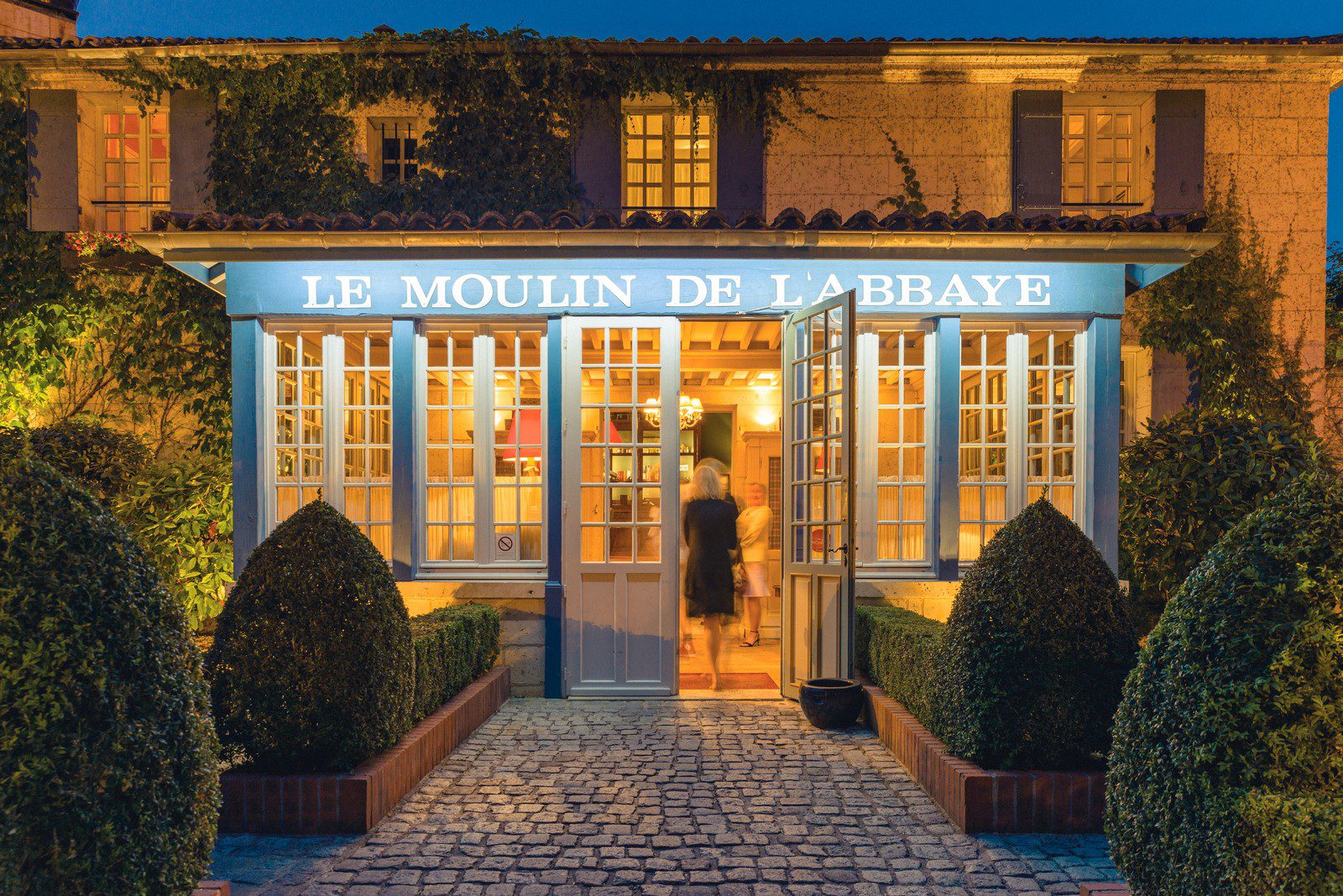
Long before it became a Relais & Châteaux hotel, this building was a working mill attached to the Benedictine abbey of Brantôme, one of the oldest monastic foundations in France. The cliff behind it still holds the monks’ original caves and chapels, carved centuries before the mill itself existed — a story worth its own telling, which we’ll cover in a dedicated history guide.
© Le Moulin de l'Abbaye
From Abbey Mill to Riverside Hotel
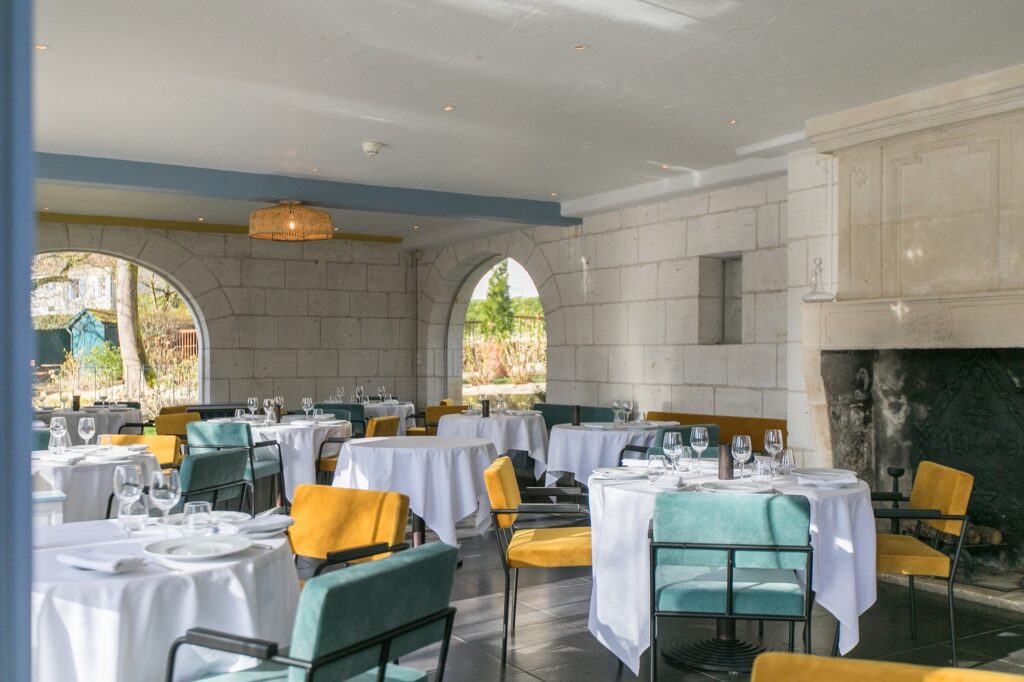
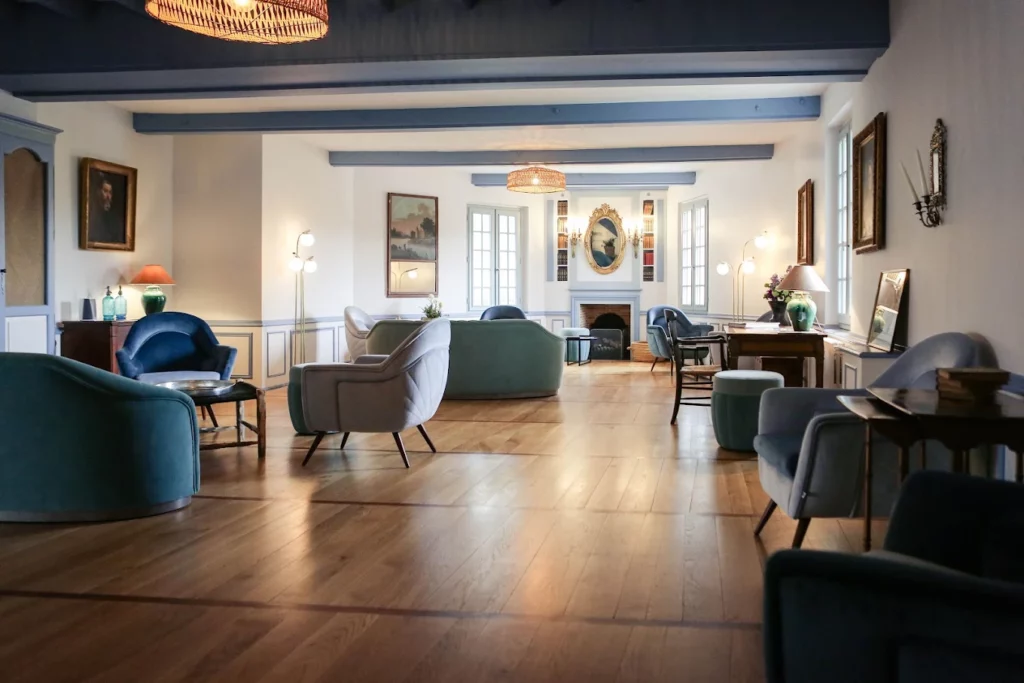
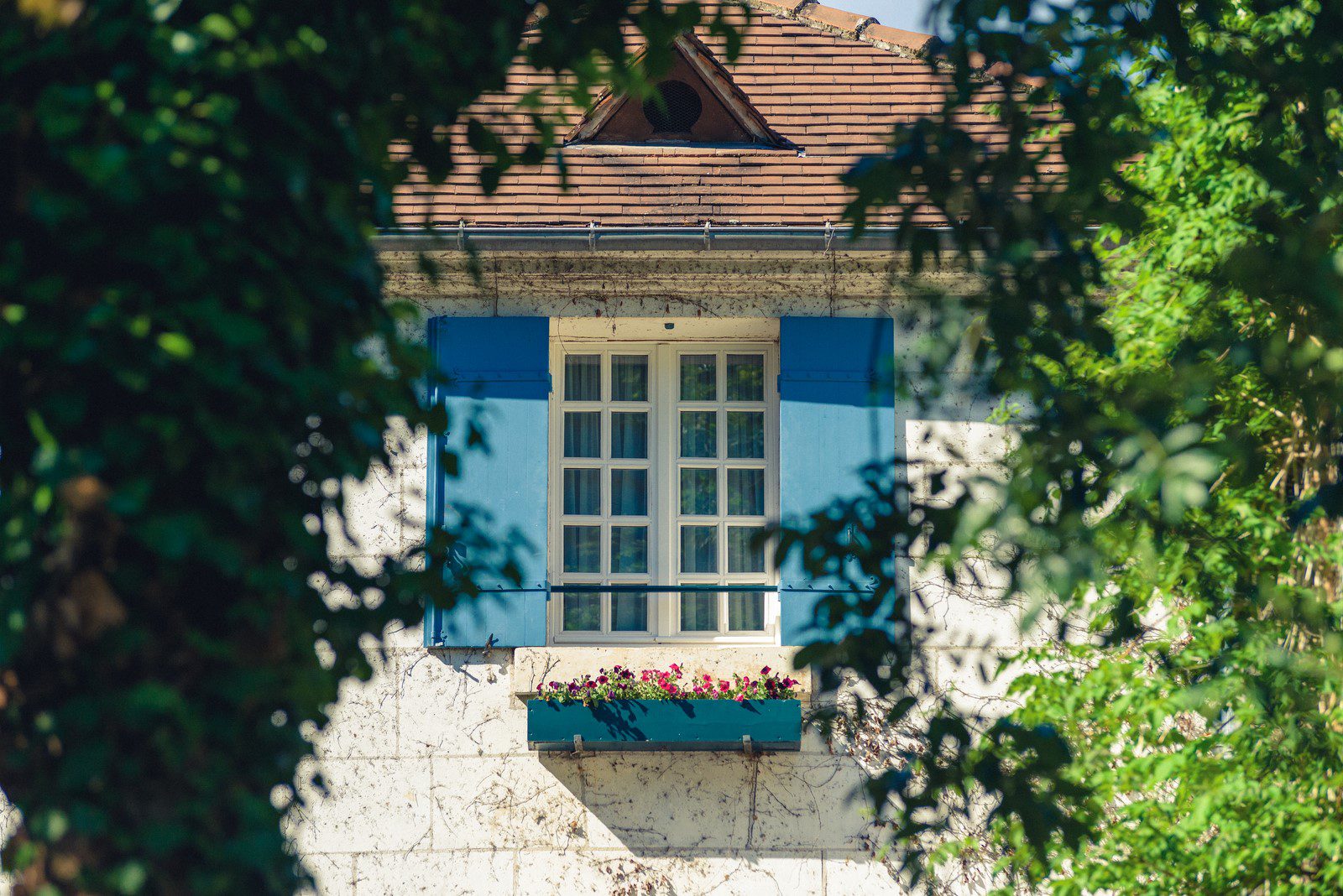
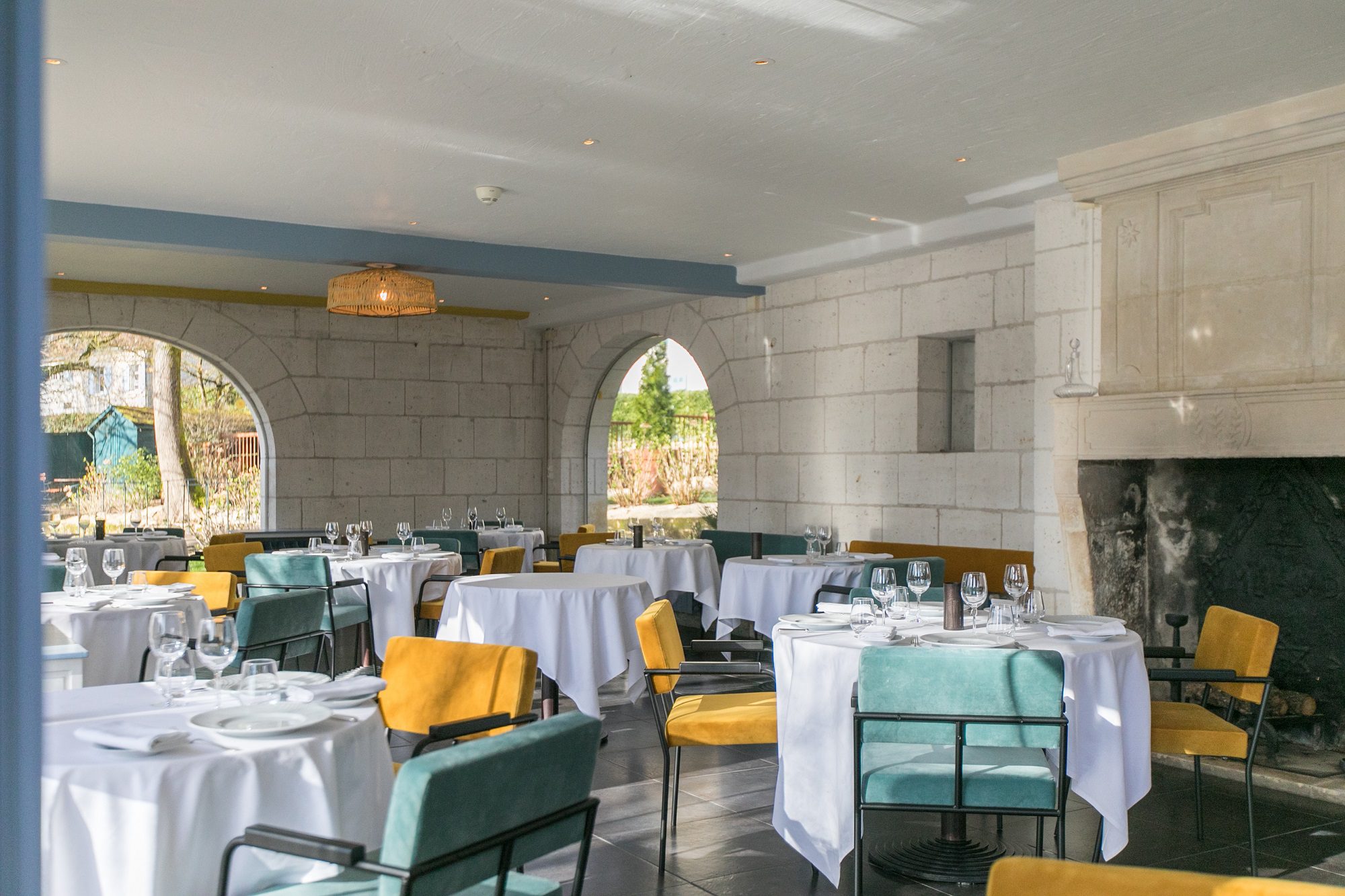
The mill’s transformation into a hotel kept its working structure largely intact rather than disguising it behind a themed renovation — guests can still trace the outline of what the building once did, now wrapped around a Michelin-starred dining room instead of grinding grain.
Why a Village Address, Not a Private Estate
The Dordogne is full of hotels built entirely around seclusion — grand domains set back from the road, private grounds, no real reason to ever step outside the property line. Moulin de l’Abbaye takes the opposite approach: it puts you directly inside a living village, where Brantôme’s market, bridge, and abbey are all a short walk from your room, not a drive away.
© Le Moulin de l'Abbaye
What to Expect During Your Stay
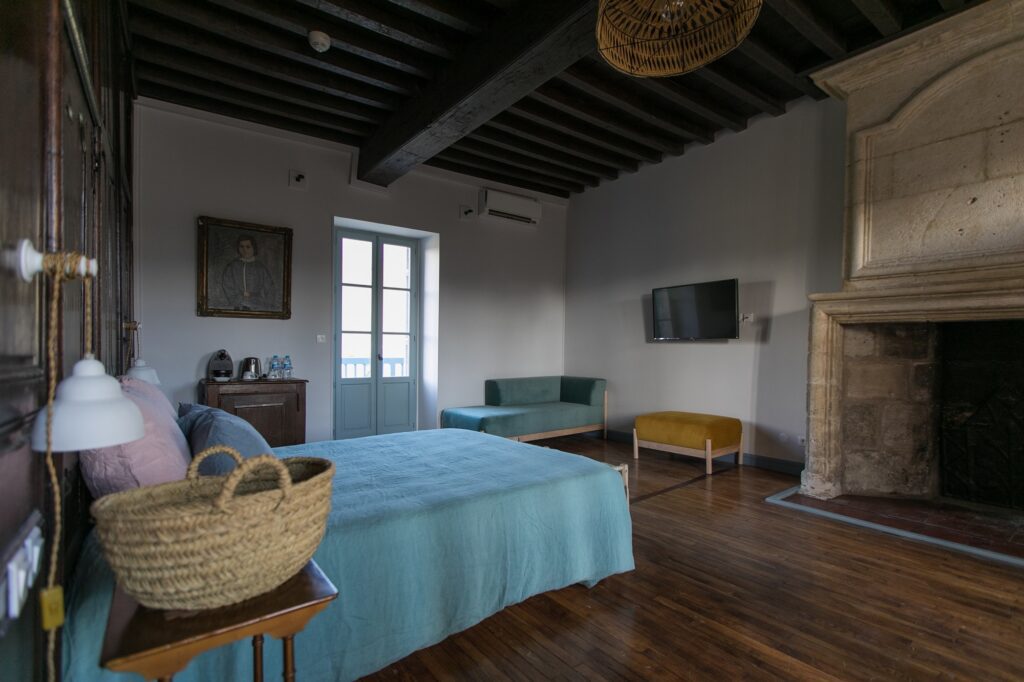
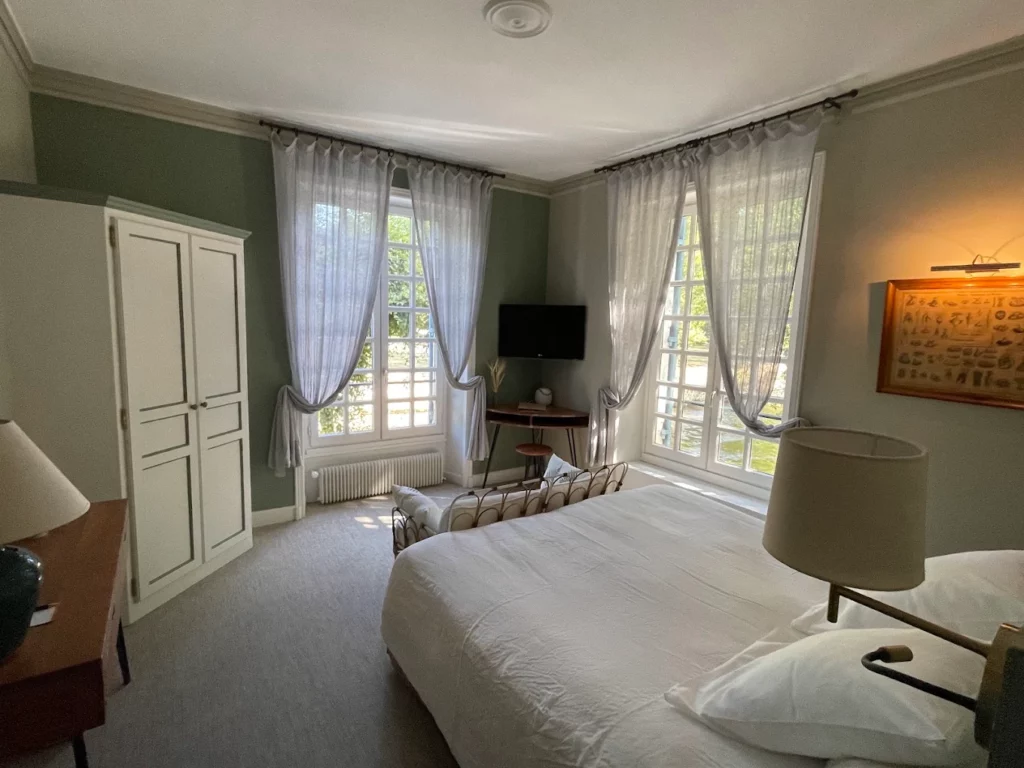
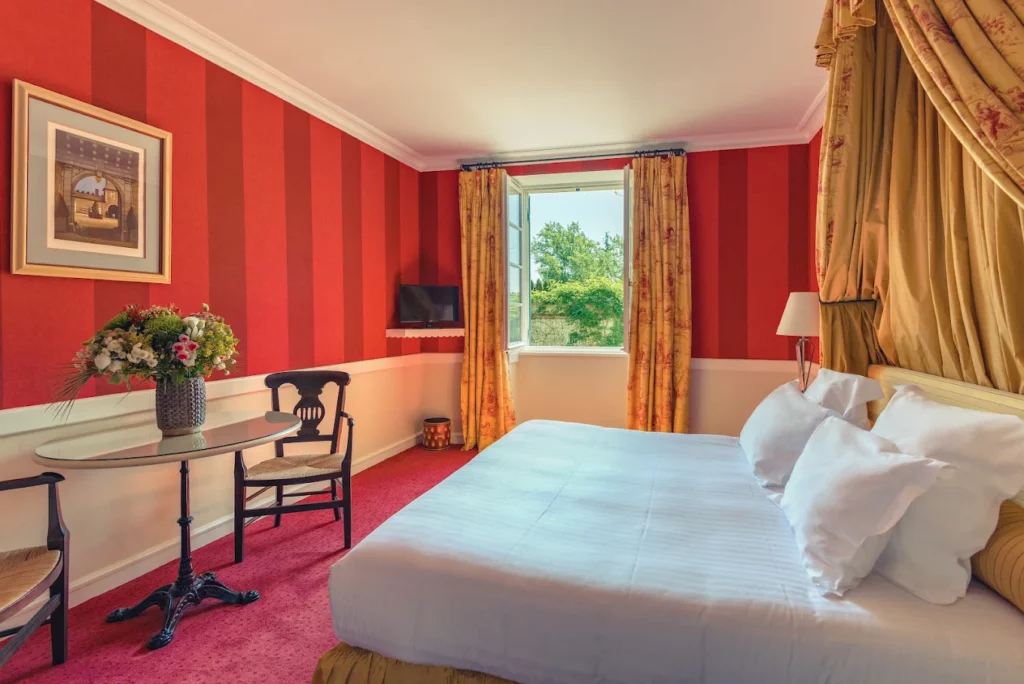
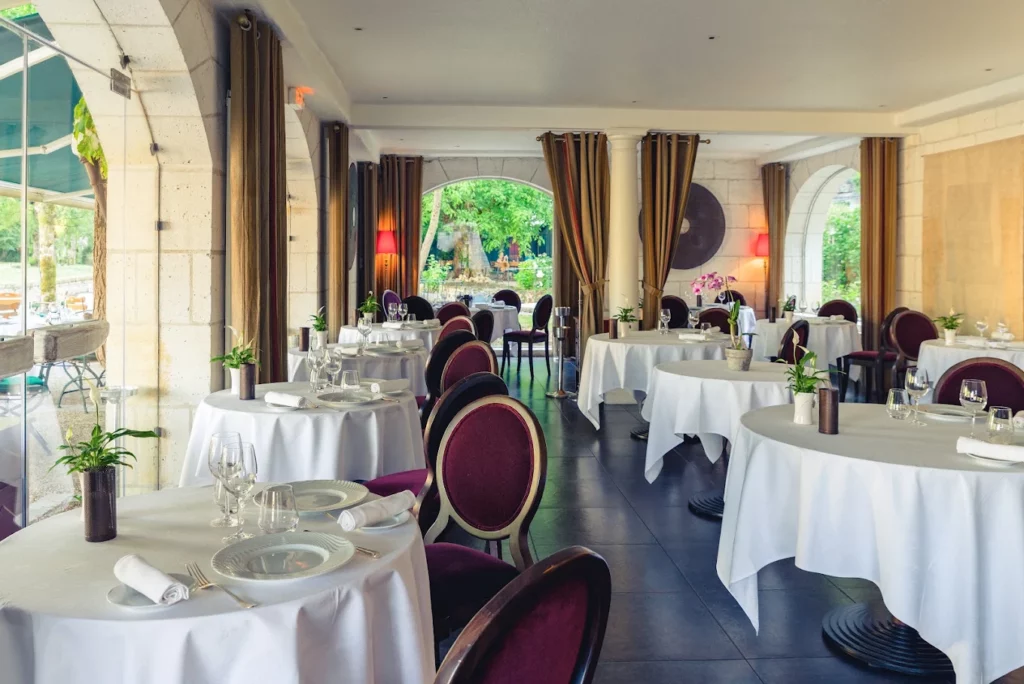
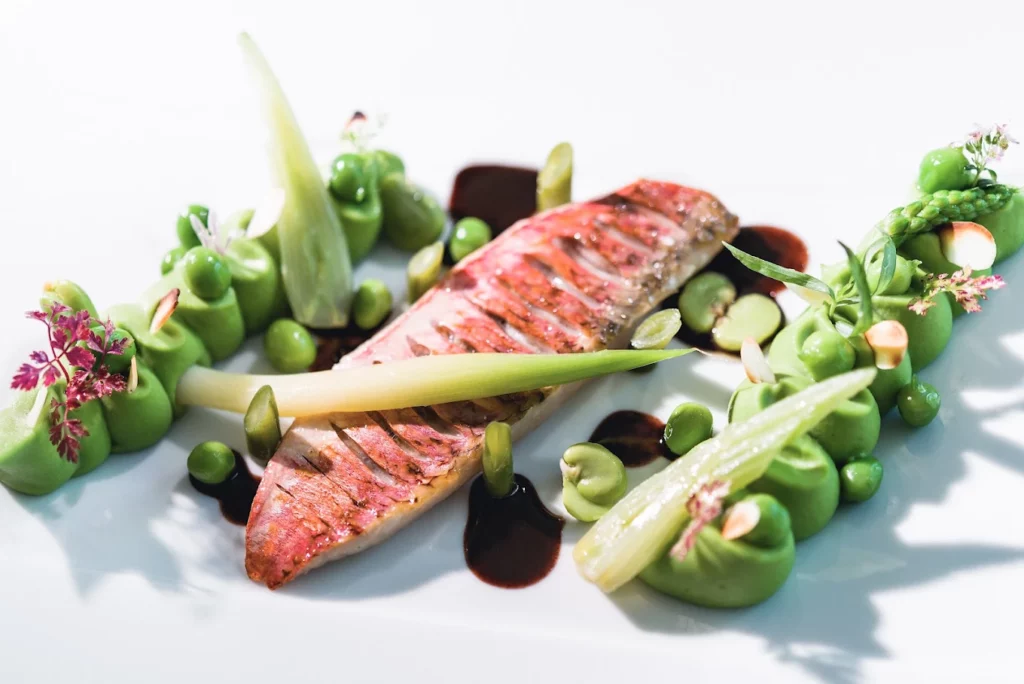
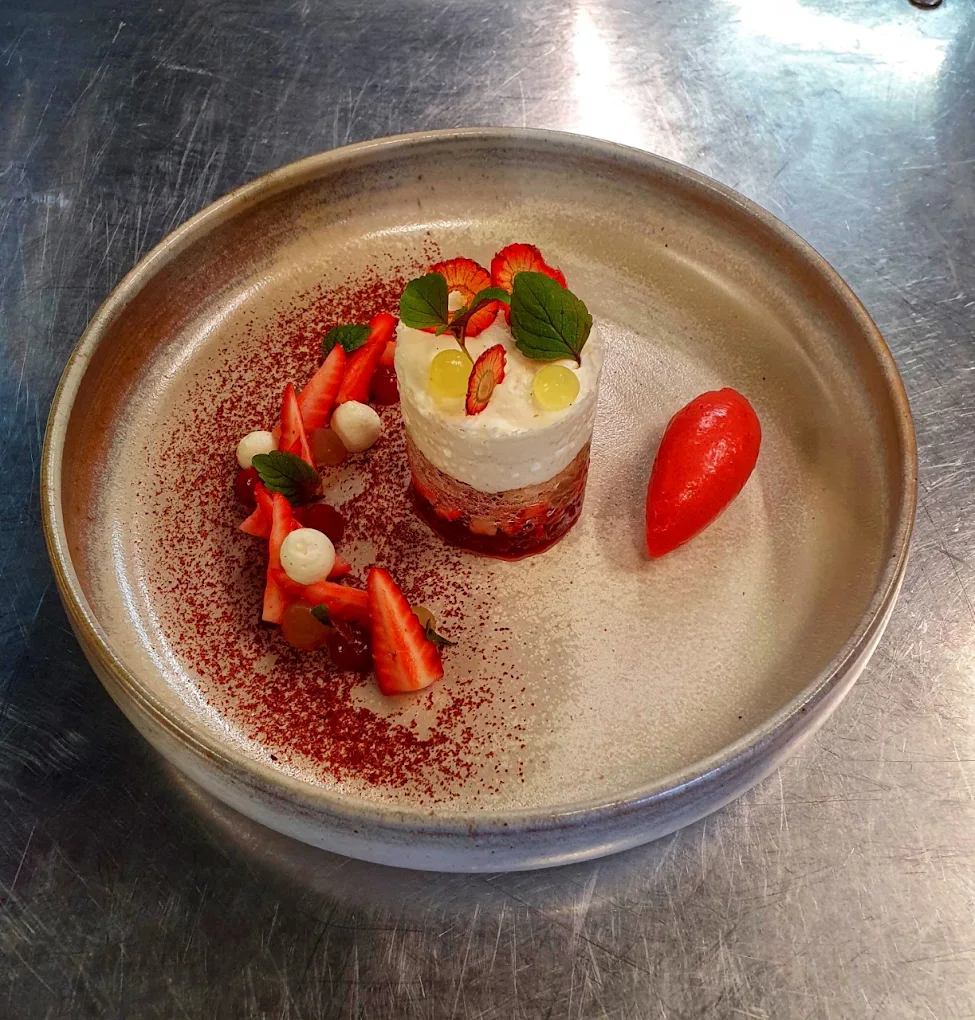
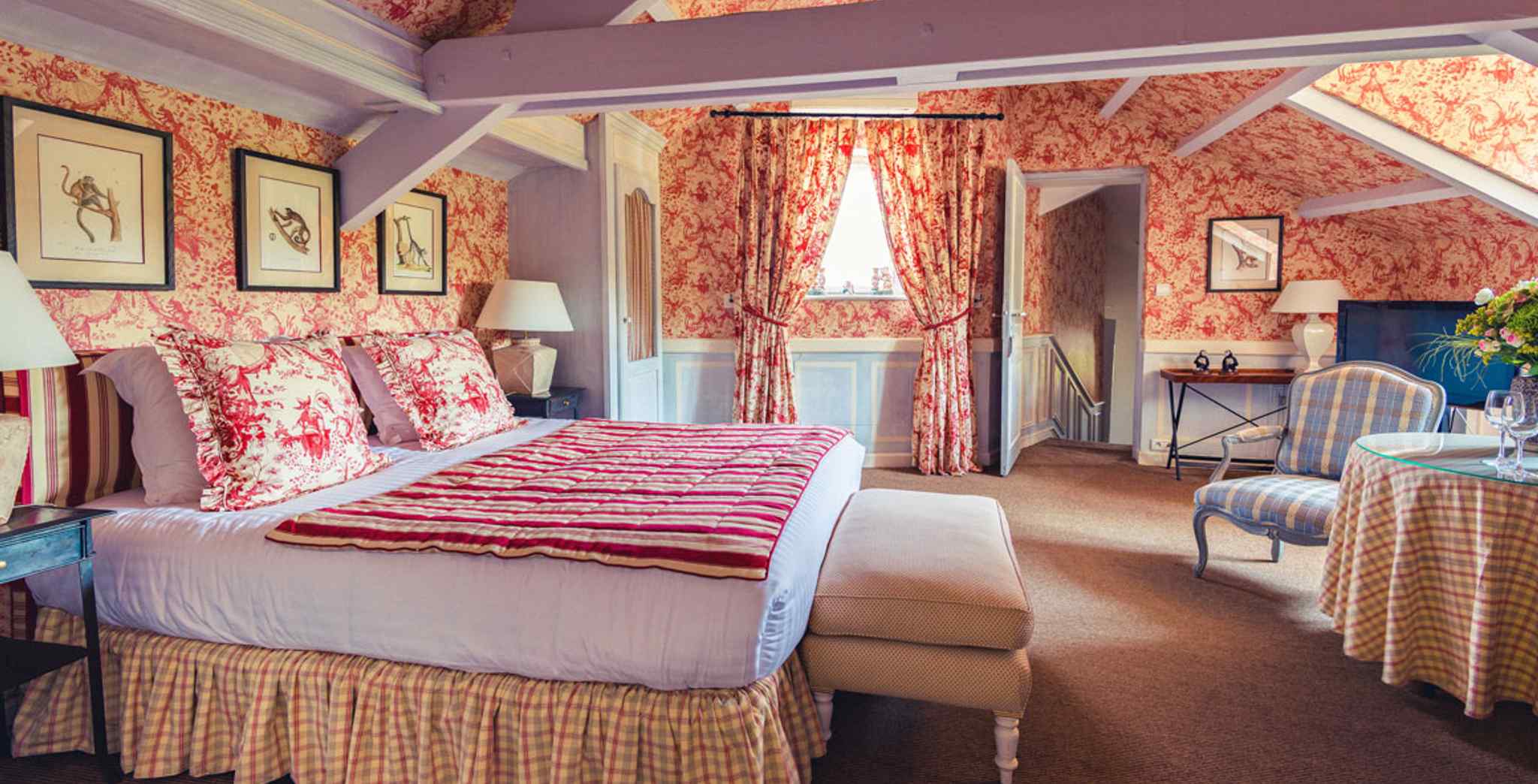
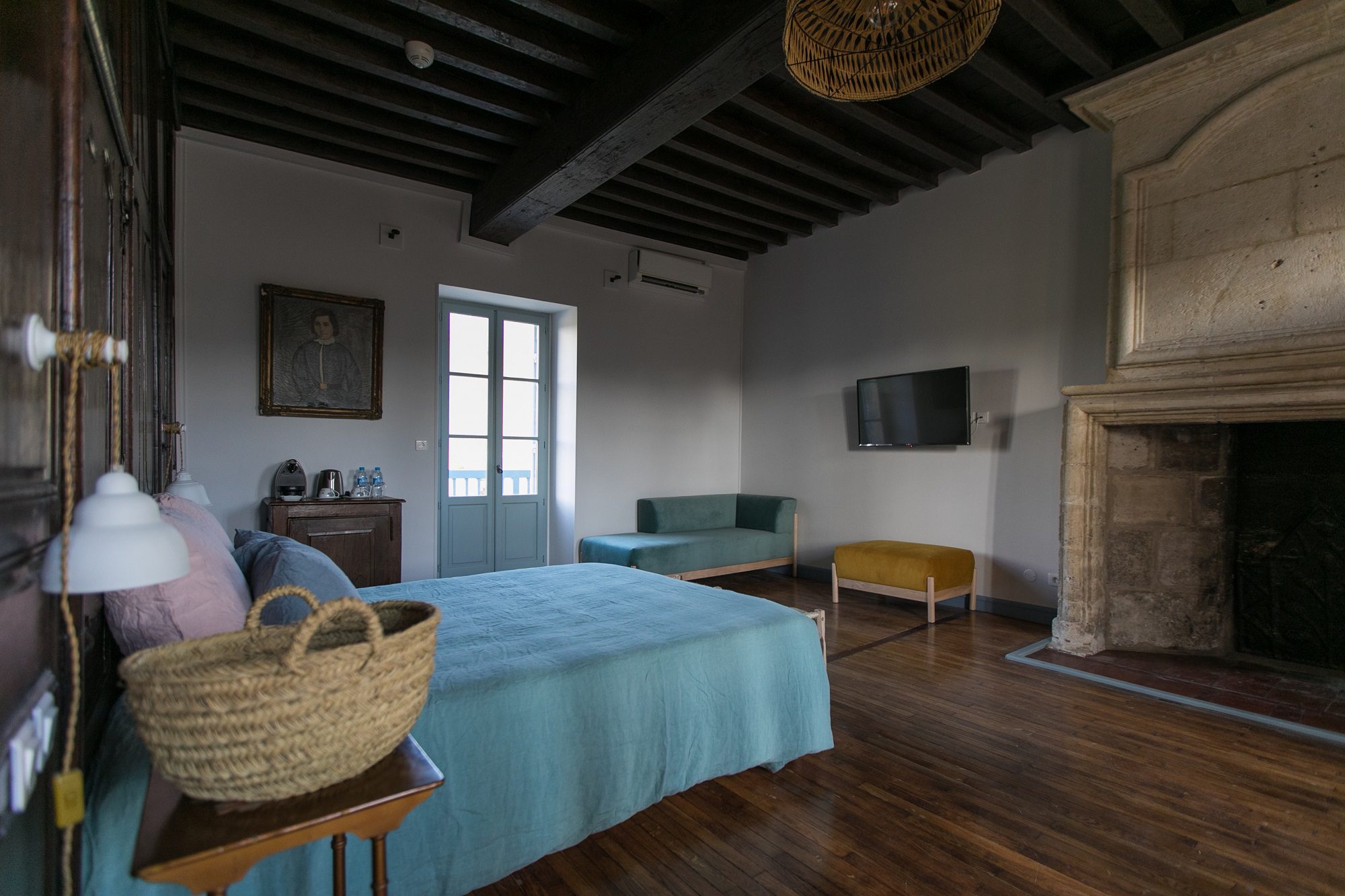
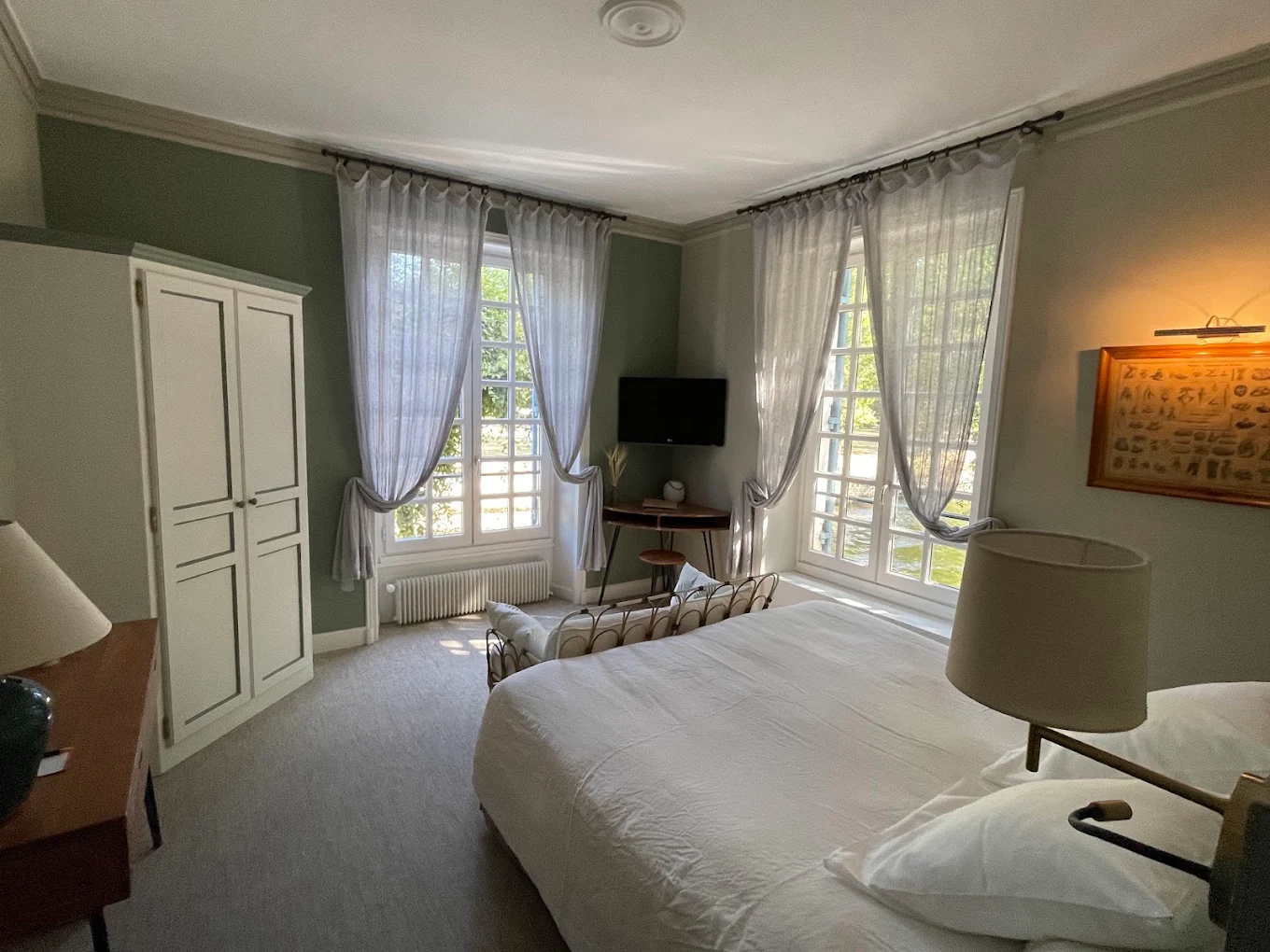
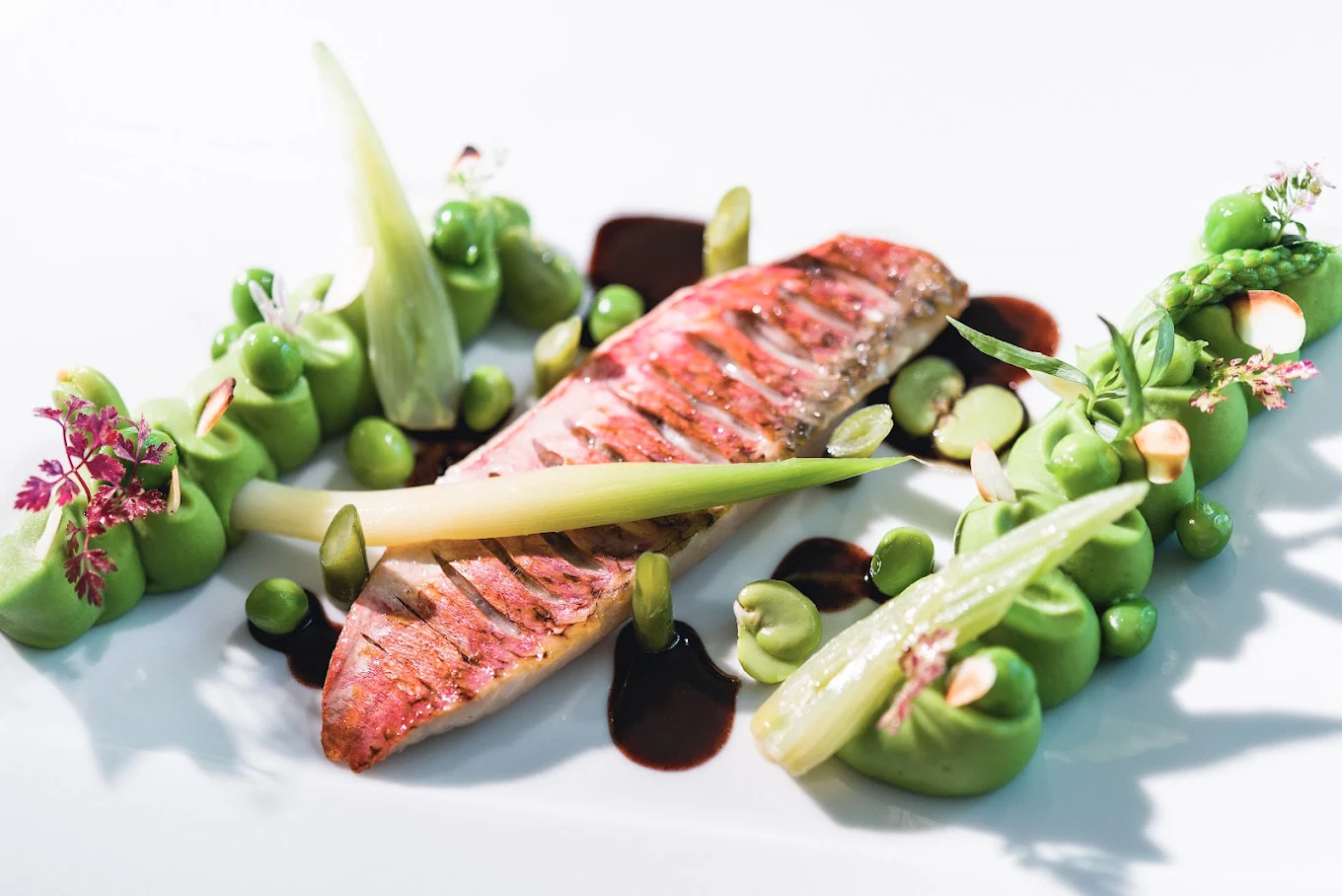
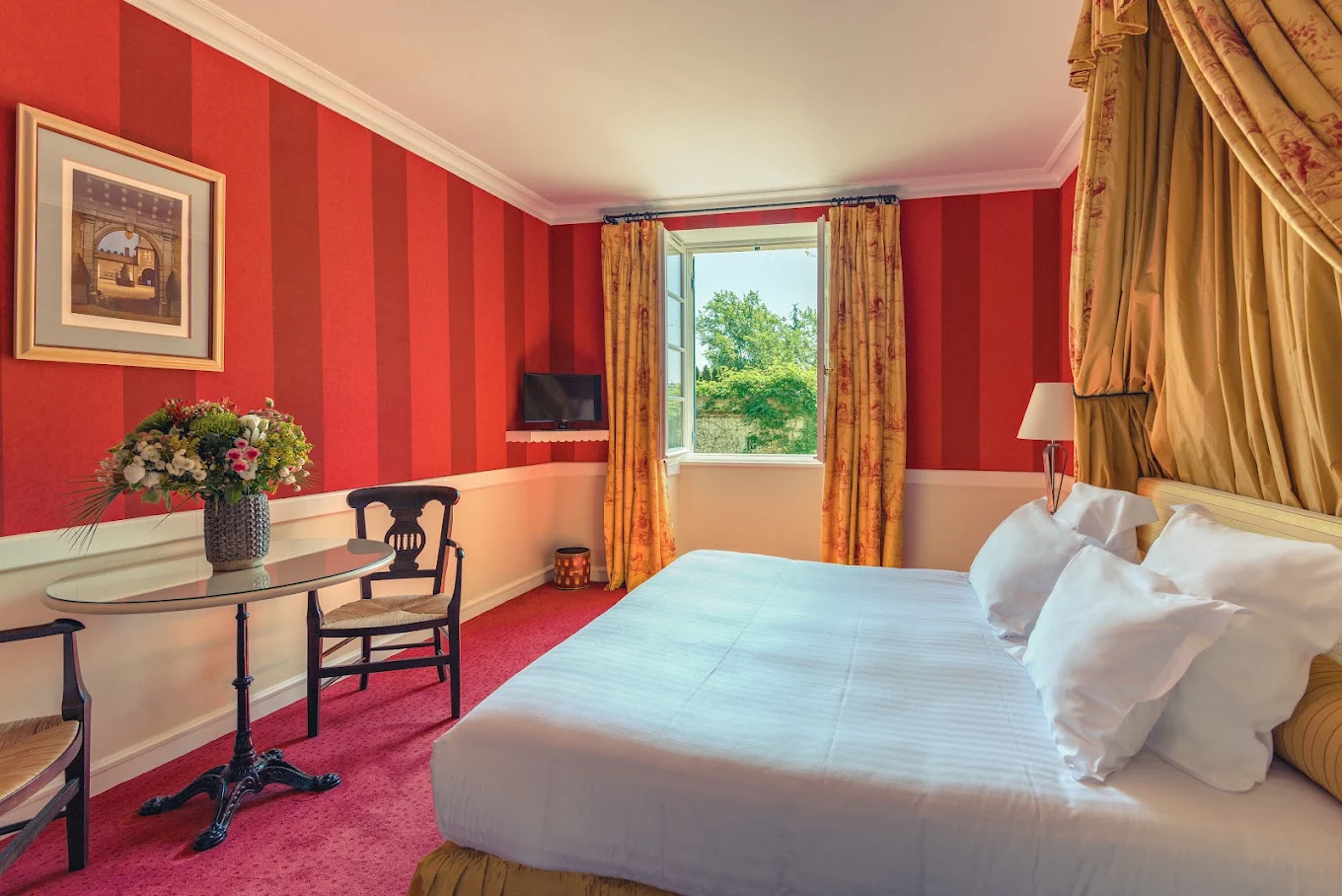
Don’t expect a hotel isolated from its surroundings. Expect a terrace built directly over the Dronne facing a Renaissance bridge, a Michelin-starred kitchen serving modern French cuisine built on Périgord’s own ingredients, and canoes available just steps away for exploring the river the hotel itself sits on. We’ll cover the best rooms, the tasting menu, and nearby excursions in their own dedicated guides.
Who Will Love This Hotel
Travelers who want their history walkable rather than roped off, food-focused couples, and anyone who prefers a village to wander over a private estate to retreat into all tend to become repeat guests here.
© Le Moulin de l'Abbaye
Is It Worth It?
If total isolation on a private estate is what you’re after, the Dordogne has plenty of options a few miles away. But if you want prehistoric caves, a Renaissance bridge, and a Michelin-starred dinner all within a few hundred meters of your room, this is the version of the Dordogne built for people who want to wander, not just retreat. Guests don’t talk about how private it felt. They talk about how much they saw without ever needing a car.
Practical Information
Moulin de l’Abbaye sits in the center of Brantôme, roughly 45 minutes from Périgueux and its train station. Standard check-in begins at 3pm, check-out at noon.
Ready to plan your stay?
Prices and availability change seasonally — always confirm current rates directly through the links above.
Frequently Asked Questions
In Short
Most Dordogne château hotels ask you to disappear onto a private estate. Moulin de l’Abbaye asks you to step outside instead — into a market, across a Renaissance bridge, and past caves monks carved a thousand years before the hotel existed.
The France we love often begins where the guidebooks end.